Rome's ancient cobblestones and uneven terrain present real challenges for senior travelers seeking to experience the Eternal City's wonders. Over 60% of visitors aged 65+ report abandoning at least one major attraction due to mobility concerns, while crowded sites like the Vatican Museums become anxiety-inducing for those with limited stamina. The frustration of missing cultural landmarks or exhausting yourself before reaching the Sistine Chapel is all too common. Yet Rome offers remarkably accessible alternatives and local-tested strategies that transform what could be a stressful visit into a comfortable, fulfilling journey through history - if you know where to look and how to plan.
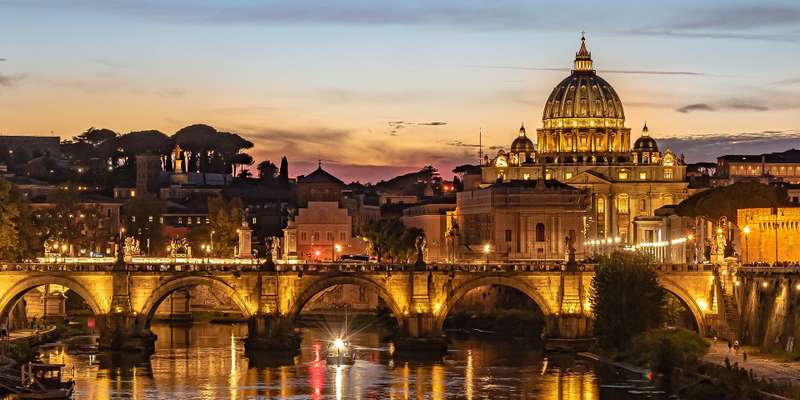
Navigating Rome's terrain: Smart routes for limited mobility
Rome's iconic seven hills and archaeological sites weren't designed with modern accessibility in mind, but strategic planning can minimize obstacles. Start by focusing on the Tiber River's east bank where relatively flat pathways connect major landmarks. The Pantheon area offers smooth pedestrian zones with curb cuts, while the Trastevere district's main squares are paved and gently sloping. For the Colosseum, use the dedicated Seniors and Visitors with Disabilities entrance on the south side near the Meta Sudans ruins - it bypasses the brutal staircase climb most visitors face. Morning visits before 10am significantly reduce crowd density at top sites, making navigation easier. Many don't realize that Rome's municipal ATAC buses have priority boarding and dedicated spaces, often proving more convenient than the metro's limited elevator access.
View all Tours
Accessible must-sees: Enjoying Rome's treasures comfortably
Several of Rome's crown jewels offer exceptional accessibility when approached correctly. The Pantheon's original Roman floor remains perfectly flat, with wheelchair ramps discreetly installed near the entrance. At the Vatican Museums, pre-booked accessibility tours use reserved elevators to reach the Sistine Chapel via a 300-meter shortcut avoiding the notorious spiral staircase. The Borghese Gallery provides complimentary wheelchairs and has elevators to all floors - their timed entry system naturally limits crowds. For a peaceful alternative to crowded forums, the Baths of Caracalla feature wide paved paths through monumental ruins, with benches strategically placed in shaded areas. Don't overlook newer attractions like MAXXI Museum, designed entirely with universal access principles, offering world-class art without physical barriers.
View all Tours
Restorative breaks: Senior-friendly dining and rest spots
Pacing is crucial for enjoyable senior travel in Rome. Seek out cafés with proper seating rather than standing espresso bars - historic establishments like Sant'Eustachio Il Caffè offer comfortable indoor seating just minutes from the Pantheon. The Orange Garden on Aventine Hill provides shaded benches with breathtaking views, accessible via a gentle slope from the street. For lunch, Trattoria der Pallaro near Campo de' Fiori has ground-level seating and traditional Roman dishes served at leisurely pace. Many overlook the public gardens at Villa Celimontana - just beyond the Colosseum, this peaceful oasis has smooth paths, ample seating, and accessible restrooms. Smart travelers plan midday breaks near their next attraction; the air-conditioned Chiostro del Bramante café sits conveniently between Piazza Navona and the Vatican.
View all Tours
Local secrets for stress-free accessibility
Romans have developed clever workarounds to their city's physical challenges that most tourists never discover. The secret Porta San Paolo elevator provides step-free access to the Protestant Cemetery's most moving gravesites, including Keats and Shelley. At Trevi Fountain, arrive before 8am to enjoy the spectacle without jostling crowds - the morning light creates magical photo opportunities. Few know about the accessible side entrance to St. Peter's Basilica near the Vatican post office, saving hundreds of meters of walking from the main square. For transportation, licensed NCC (Noleggio Con Conducente) drivers offer adapted vehicles at standard taxi rates when booked in advance. Perhaps the greatest local wisdom? Embracing the Roman tradition of passeggiata - evening strolls when temperatures cool and streets quiet, transforming navigation challenges into delightful cultural experiences.
UPDATES FOR YEAR 2026
Essential Entry Protocols: Mandatory ID Rules and New Pedestrian Corridors
Navigating the historic center now requires adherence to several updated protocols. The Colosseum has transitioned to strictly nominative ticketing; you must present a physical government ID or passport that matches the name on your booking to clear security. For the Trevi Fountain, a new access fee for the lower basin area is now in effect during peak daylight hours, though travelers with disabilities and their assistants remain exempt from this charge. Logistics near the Vatican have significantly improved following the completion of the Piazza Pia project, creating a vast, step-free pedestrian zone connecting the Tiber to St. Peter’s Square. Additionally, the Basilica has introduced an optional timed-entry reservation system that allows visitors to bypass the standard security queue for a small fee, a vital tool for those who cannot stand for long periods in the sun.
View all Tours
FAQ 2026
Are tickets for the Colosseum still nominative in 2026?
Yes, in 2026, all Colosseum tickets are personal and non-transferable. You must provide the full name of each visitor at the time of booking and present a matching original photo ID (passport or national ID) at the entrance to gain entry.
Is there an entry fee for the Trevi Fountain in 2026?
While viewing the fountain from the square remains free, access to the lower marble basin area now requires a €2 ticket during peak hours (9:00 AM to 10:00 PM). This measure helps manage crowds, though visitors with certified disabilities and their caregivers are exempt and can access the area for free.
Can seniors book a specific entry time for St. Peter's Basilica in 2026?
Yes, for 2026, the Vatican has maintained an online booking system for St. Peter's Basilica. While the church remains free to enter, paying a small reservation fee allows you to book a specific time slot and use a dedicated, shorter security line, which is highly recommended for travelers with limited mobility.
Written by Rome Tours Editorial Team & Licensed Local Experts.
Last updated: 23/02/26
