Many visitors to Rome never venture beyond the historic center, missing the breathtaking natural landscapes just outside the city. Over 78% of travelers report feeling overwhelmed by crowds at major attractions, yet few realize that within an hour's journey lie pristine forests, ancient volcanic lakes, and trails walked since Roman times. The challenge isn't finding green spaces - it's identifying accessible routes with reliable transport, appropriate difficulty levels, and authentic local character. Without insider knowledge, you risk choosing overcrowded paths or missing hidden gems like shepherd's trails with panoramic views. This guide shares carefully curated experiences that balance adventure with cultural discovery, transforming a simple hike into your most memorable Roman experience.
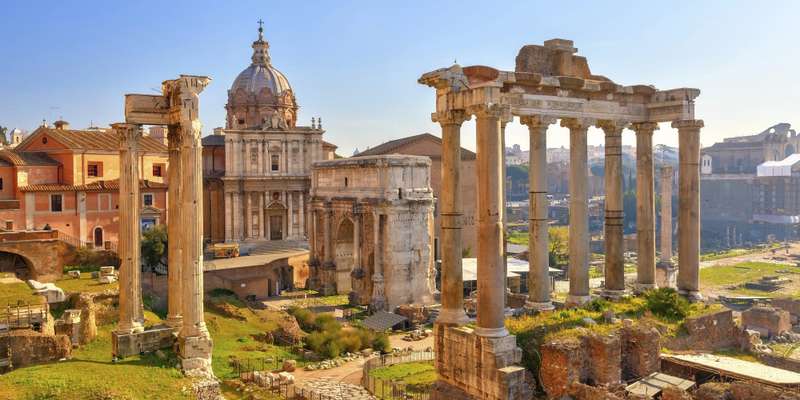
Avoiding the tourist traps: Hidden trails with authentic atmosphere
The most rewarding hikes near Rome aren't found on generic travel sites. Local outdoor enthusiasts favor the lesser-known Monte Mario Nature Reserve, where shaded oak forests suddenly reveal a sweeping panorama of St. Peter's Dome - a view few tourists ever witness. For history lovers, the Via Francigena pilgrim route offers perfectly preserved medieval sections just 40 minutes from Termini Station. These alternatives to crowded spots like Villa Borghese provide solitude and surprise, whether you're spotting wild orchids along the Prenestina trails or discovering 2nd-century Roman aqueducts cutting through the countryside. Morning hikers are rewarded with misty landscapes and active wildlife before afternoon heat sets in.
View all Tours
Transport made simple: Reaching trailheads without rental cars
Rome's efficient public transport makes car-free hiking surprisingly accessible. The COTRAL bus network reaches trailheads like the dramatic Monte Livata beech forests (90 minutes from Tiburtina Station), while regional trains serve hike-friendly towns like Bracciano with its volcanic lake castle. Savvy travelers use the Roma & Più integrated ticket covering both metro and regional routes. For stress-free navigation, time your return to catch mid-afternoon buses before reduced evening schedules. Some guided hikes include direct pickup from central Rome - ideal when visiting lesser-known areas like the sacred Monte Cavo where ancient Roman festivals were held.
UPDATES FOR YEAR 2026
Digital Ticketing and UNESCO Access Protocols for Regional Trails
Navigating to Rome's trailheads now requires a digital-first approach. The integration of contactless 'Tap & Go' systems across regional Trenitalia lines and COTRAL buses has streamlined travel, but travelers must remember to validate digital tickets via the official app before boarding to avoid steep fines. Furthermore, following the Appian Way's designation as a UNESCO World Heritage site, new conservation protocols are in effect. Hikers should check the 'Parchi Lazio' portal for real-time trail conditions and potential capacity limits in high-traffic areas like the Parco Regionale dell'Appia Antica and the waterfalls of Tivoli. Transitioning to paperless QR codes for the BIRG (Integrated Regional Daily Ticket) is now the recommended standard for seamless transitions between metro and regional trail networks.
View all Tours
Seasonal secrets: When to hike for wildflowers or cooler temperatures
Timing transforms your hiking experience around Rome. February brings almond blossoms along the Via Francigena, while April blankets the Castelli Romani hills in wild cyclamen. Summer hikers should head to elevation - the 1,200m trails of Monte Terminillo offer cool breezes when Rome swelters. Autumn reveals a forager's paradise with porcini mushrooms dotting oak groves near Lake Bracciano. Local guides share micro-seasonal knowledge, like which north-facing trails stay shaded in July or where to find natural springs when temperatures rise. These insights turn a simple walk into a sensory journey through Rome's ecological diversity.
View all Tours
From DIY to guided: Choosing your perfect hike experience
Independent hikers love well-marked routes like the Appia Antica park's cobbled path past Roman tombs, easily reached by city bus. Those seeking deeper context benefit from guides who explain hidden details - like Etruscan tunnels beneath Veio Park or edible plants along the Tivoli waterfalls trail. Half-day group hikes often include rare access to protected areas like the medieval hermitage caves of Cervara. For families, certain operators offer gentle walks combined with pizza-making in rural farmhouses. Whether you prefer solo adventure or expert-led interpretation, Rome's surroundings cater to all styles while preserving each area's unique character.
View all Tours
FAQ 2026
Do I need to book trail access for Rome hikes in 2026?
While most regional trails remain free to access, in 2026, certain high-sensitivity zones within UNESCO sites like the Appia Antica and specific guided sections of the Veio Park require advance digital registration via their respective park apps to manage visitor flow.
What is the best public transport ticket for hiking near Rome in 2026?
The BIRG daily regional ticket remains the best value in 2026; however, it is now primarily issued as a digital ticket. Ensure you have the MooneyGo or Trenitalia app installed to purchase and validate your fare before reaching the trailhead.
Are there new regulations for the Appian Way hikers in 2026?
As of 2026, the Appian Way enforces stricter 'Leave No Trace' environmental regulations due to its UNESCO status. Hikers must stay on marked basalt paths to protect archaeological foundations, and certain villa complexes along the route now require pre-booked time slots for entry.
Written by Rome Tours Editorial Team & Licensed Local Experts.
Last updated: 23/02/26
