Rome's overflowing museums and endless queues leave history lovers facing a frustrating dilemma - how to experience Italy's legendary past without wasting precious vacation hours in lines. Recent visitor surveys reveal 63% of cultural travelers regret missing lesser-known sites due to poor timing or overcrowded itineraries. The struggle is real when iconic spots like the Colosseum see 7 million annual visitors, while equally significant archaeological treasures sit nearly empty just beyond the city. This tension between must-see landmarks and undiscovered history creates itinerary stress that can overshadow the joy of discovery. We've walked every cobblestone of these ancient roads to solve your planning paradox.
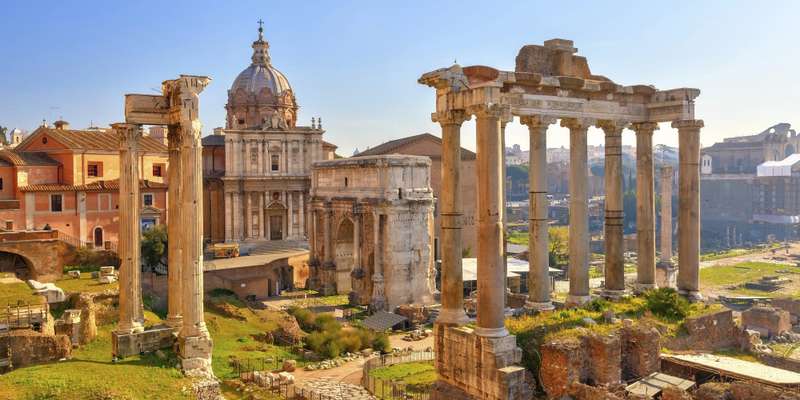
Escaping the Ostia Antica crowds with perfect timing
While most guidebooks send you to Rome's closest ancient port at midday with the tour groups, savvy historians arrive at opening time to have these remarkably preserved ruins virtually alone. The magic hour comes before 10am, when the morning light casts dramatic shadows across the 2,000-year-old mosaics in the Terme di Nettuno. Take the regional train from Porta San Paolo station when the gates unlock at 8:30am to explore the ancient warehouses and theater without jostling for photos. Pro tip: The site spans 100 acres - head straight to the western sector first where the best-preserved insulae (apartment buildings) reveal intact second-floor balconies that most afternoon visitors miss in their rush.
UPDATES FOR YEAR 2026
Modern Logistics for Ancient Sites: Essential Ticketing and App Guide
Navigating Rome’s archaeological outskirts now requires a digital-first approach to bypass new administrative hurdles. The official Musei Italiani app has become the primary portal for securing entry to major sites like Ostia Antica, where adult admission is now set at €18. For those exploring Tivoli, the Villae Pass remains the most cost-effective solution, offering a flexible three-day window to visit both Hadrian’s Villa and Villa d’Este. Travelers should also note that several high-sensitivity areas, such as the Mensa Ponderaria in Tivoli, have introduced strict capacity limits—often restricted to just 16 visitors per slot—making advanced digital reservations mandatory for anyone wanting to see beyond the standard ruins. Regional transit has also modernized; ensure you have a contactless payment method or the Cotral app ready for the shuttles connecting train stations to the Etruscan necropolises.
View all Tours
The Etruscan underground wonders most tours overlook
Just 90 minutes north of Rome, the necropolises of Cerveteri and Tarquinia hold UNESCO-listed tombs with vibrant frescoes predating the Roman Empire by centuries. Few day trippers realize they can walk through entire subterranean cities of the dead, where Etruscan aristocrats were buried in house-like tombs complete with carved furniture. The Monterozzi necropolis particularly dazzles with its famous Tomb of the Leopards, where banquet scenes in ochre and crimson have survived since 470 BC. Local archaeologists recommend the 3pm guided tour when sunlight angles perfectly into the burial chambers. For independent explorers, the 9:05am regional train from Roma Termini connects perfectly to Tarquinia's shuttle bus.
View all Tours
Hadrian's Villa without the tour buses
The emperor's sprawling 250-acre country estate often gets reduced to a rushed two-hour stop on packaged tours, leaving visitors seeing only 20% of this architectural marvel. Instead, take the 10:32am Cotral bus from Ponte Mammolo metro (weekdays only) to arrive when large groups are lunching. This allows unhurried exploration of the Maritime Theater - Hadrian's private island retreat - and the stunning Canopus pool lined with statues. Budget-conscious travelers can download the official audio guide app, while history enthusiasts may prefer the small-group tours that access normally closed areas like the subterranean slave tunnels. Either way, bring sturdy shoes - the original Roman cobblestones are authentic but uneven.
View all Tours
Tivoli's dual wonders: Combining Villa d'Este with ancient history
Most visitors come solely for the Renaissance fountains, but pairing Villa d'Este with the nearby ruins of Horace's Villa creates a perfect blend of Roman poetry and engineering. The secret is reversing the standard itinerary: Start at the poet's 1st-century BC villa (opens 8:30am) when the morning quiet lets you appreciate the original mosaic floors in peace, then arrive at Villa d'Este by 11am after the initial tour groups depart. The 40-minute walk between sites follows an ancient Roman road past olive groves - pack a picnic from Tivoli's morning market to enjoy where Horace himself once dined. This combo solves the common frustration of seeing only one era of Italian history per trip.
View all Tours
FAQ 2026
What is the best way to purchase tickets for Ostia Antica in 2026?
In 2026, the most reliable method is using the official Musei Italiani app. While the ticket office remains open, digital tickets help you avoid potential queues at the gate, especially since the standard entry fee has updated to €18.
Is the Villae Pass still the best option for Tivoli day trips in 2026?
Yes, the Villae Pass is highly recommended for 2026 travelers as it provides a discounted combined entry for Hadrian’s Villa and Villa d’Este with a three-day validity period, allowing you to explore both UNESCO sites at a more relaxed pace.
Are there new entry requirements for the Etruscan tombs at Cerveteri and Tarquinia in 2026?
For 2026, while the main necropolises remain accessible, specific subterranean chambers and multimedia 'City of the Dead' experiences often require timed entry slots. It is best to verify shuttle schedules from the Marina di Cerveteri and Tarquinia stations via the Trenitalia or Cotral apps for current transit times.
Written by Rome Tours Editorial Team & Licensed Local Experts.
Last updated: 23/02/26
