Navigating Rome's labyrinthine streets can overwhelm even seasoned travelers, with 83% of visitors reporting they missed iconic sights simply due to poor neighborhood planning. The frustration of backtracking through crowded alleys or discovering a must-see courtyard was three blocks from your hotel lingers long after the trip. Most travel guides focus on individual attractions rather than how these gems connect through walkable districts, leaving you to piece together routes while battling midday heat and sore feet. This gap in planning resources means many wander past extraordinary bakeries, Renaissance courtyards, and artisan workshops without realizing they're steps away from the main path.
Why Trastevere beats the historic center for sunset strolls
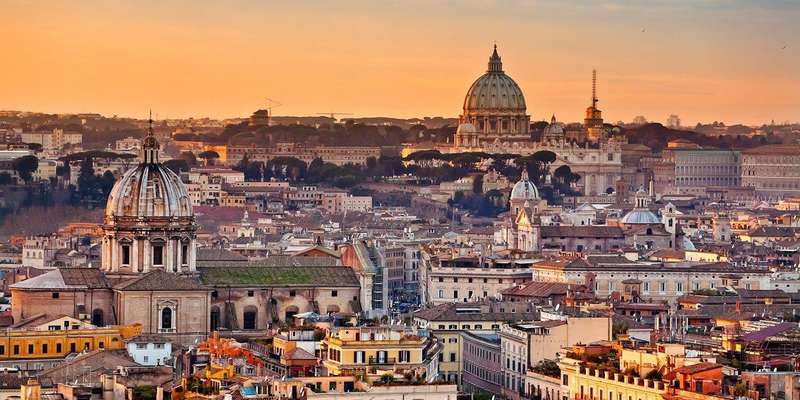
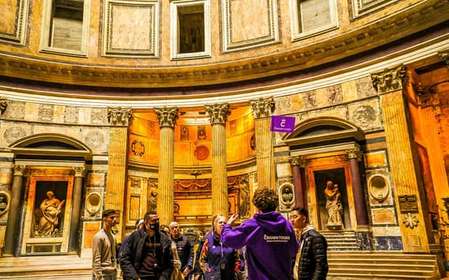
While the historic center draws crowds to the Pantheon and Piazza Navona, Trastevere's web of ivy-draped lanes offers a more authentic evening experience. Locals favor this right-bank neighborhood for its natural flow – start at Santa Maria in Trastevere as golden light hits the mosaics, follow Via del Moro past family-run trattorias just firing up their wood ovens, and let the rising chatter guide you toward the Tiber. Unlike the left bank's museum-heavy routes requiring constant navigation, Trastevere's organic layout encourages serendipity. You'll stumble upon hidden gems like Vicolo dell'Atleta's medieval arches or the silent courtyard of San Cosimato market, all while avoiding the shoulder-to-shoulder traffic of Campo de' Fiori after dark. The district's modest size means you can crisscross it thoroughly in one evening without retracing steps.
Monti's secret staircases – the efficient path to four major sights
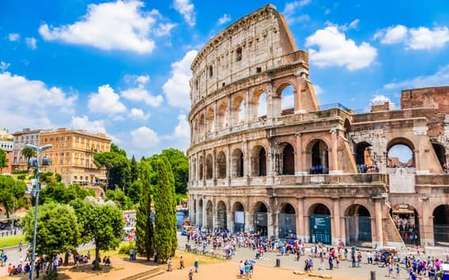
Nestled between the Colosseum and Termini Station, Monti solves the common problem of inefficient sightseeing routes with its network of pedestrian staircases. The key is starting at Madonna dei Monti square – from here, the Salita del Grillo staircase delivers you directly to Trajan's Market in seven minutes flat, bypassing crowded Via dei Fori Imperiali. Few tourists realize these ancient connectors exist, leaving them to take longer routes with multiple crosswalks. Local shopkeepers along Via Urbana can point you to lesser-known passages like the vine-covered steps near San Pietro in Vincoli, which emerge startlingly close to the Forum entrance. This vertical advantage makes Monti ideal for travelers wanting to combine major monuments with boutique browsing, all while avoiding the relentless sun exposure of more open districts.
UPDATES FOR YEAR 2026
Enhanced Pedestrian Zones and Museum-Transit Links for Seamless Exploration
Exploring the capital on foot has been transformed by the permanent 'Zone 30' safety initiative, which strictly limits vehicle speeds across the central districts to ensure a more relaxed environment for walkers. The most significant logistical upgrade is the full integration of the Metro C extension; the new museum-style station at the Colosseum provides a strategic underground connection that bypasses surface traffic between Monti and the Roman Forum. Travelers should also account for the new access regulations at the Trevi Fountain, where a modest fee is now required to reach the lower basin, and ensure that all digital tickets for major sites are nominative, as they must match your physical ID for entry. These updates prioritize pedestrian flow and reduce the friction of moving between the city's most densely packed historical layers.
Pigneto's street art walks – where to stay for an alternative Rome
For travelers who've already seen the classics, Pigneto offers a completely different walking experience centered on ever-changing murals and creative energy. This former working-class neighborhood has become Rome's open-air gallery, where guided street art tours (or a well-marked self-guided map from local cafes) reveal political murals and surreal installations. Unlike the historic center's polished facades, Pigneto's pedestrianized Via del Pigneto invites leisurely pauses at vintage stores and specialty coffee roasters. The area's affordable guesthouses, many housed in converted industrial buildings, position you perfectly for morning walks to the nearby Caffè Propaganda's art nouveau interior or evening passeggiatas past neon-lit cocktail bars. Staying here means trading cobblestone romance for a grittier, more contemporary Rome still largely undiscovered by guidebooks.
Testaccio's food corridor – the strategic base for hungry explorers
Rome's most rewarding culinary walks begin in Testaccio, where the concentration of authentic eateries within a five-block radius solves the 'great meal vs. efficient sightseeing' dilemma. The neighborhood's grid-like layout – rare in Rome – makes navigation intuitive: start at the Pyramid of Cestius, let Via Marmorata guide you past legendary carbonara spots like Flavio al Velavevodetto, then detour through the ex-Mattatoio's food stalls. What sets Testaccio apart is how its food heritage integrates with walking convenience – the nonna-approved trattorias around Piazza Testaccio are just 15 minutes on foot from the Aventine Hill's orange garden panorama. Unlike more scattered foodie areas, here you can indulge in a multi-stop tasting journey (supplì at Trapizzino, gelato at Brivido) without wasting transit time between bites. Early risers gain extra rewards with sunrise access to the Monte Testaccio archaeological walk before crowds arrive.
FAQ 2026
Is there an entry fee to visit the Trevi Fountain in 2026?
Yes, as of February 2026, visitors must pay a €2 access fee to enter the lower basin area directly in front of the Trevi Fountain to manage overcrowding; however, viewing the monument from the surrounding square remains free.
How does the new Metro C station at the Colosseum improve walking tours in 2026?
The 2026 opening of the Colosseo–Fori Imperiali museum-station provides a vital underground link between the Monti district and the Metro B line, allowing travelers to bypass congested surface traffic while viewing archaeological finds displayed within the station itself.
What are the new pedestrian safety regulations in Rome's center for 2026?
In 2026, the entire historic center (ZTL) is designated as a 'Zone 30,' where vehicle speeds are capped at 30 km/h to protect pedestrians and cyclists, making neighborhoods like Trastevere and Monti significantly safer for self-guided walking tours.
Written by Rome Tours Editorial Team & Licensed Local Experts.
Last updated: 23/02/26