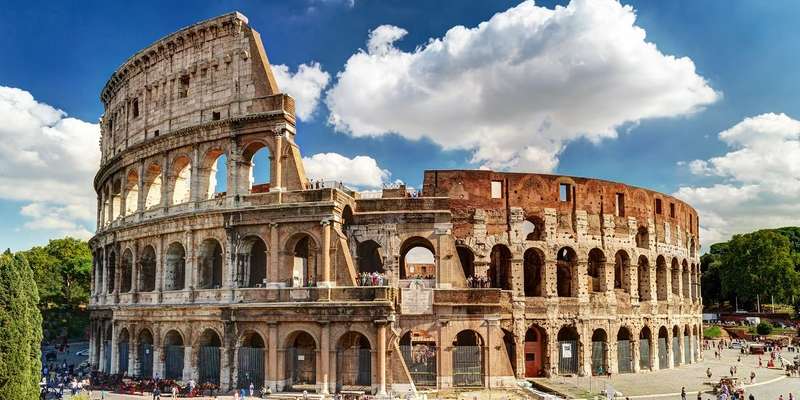
Best times to explore the Colosseum without crowds

Colosseum crowd-free visits – local timing hacks to skip queues and maximize your experience
Standing before Rome's iconic Colosseum only to face overwhelming crowds can turn a dream visit into a stressful ordeal. Over 7 million annual visitors compete for space at this ancient wonder, with peak hours seeing wait times exceeding two hours. The frustration isn't just about lost time – cramped conditions make proper photography nearly impossible, audio guides become inaudible, and the magic of imagining gladiatorial combat fades amid jostling tour groups. First-time visitors often don't realize how drastically their experience could improve with simple timing adjustments. Morning isn't automatically best, and last entry slots hold surprising advantages that most travelers miss. These crowd patterns matter because the Colosseum's layered history deserves contemplation, not rushed viewing between strangers' selfie sticks.
Full Width Image

Why standard guidebook timing advice fails you

Most Rome itineraries recommend early morning Colosseum visits, creating a counterproductive rush of tourists all arriving simultaneously. What these generic suggestions ignore is that organized tours block entire sections until 10 AM, while cruise ship passengers flood entry gates by 9:30. True quiet moments occur during predictable lulls that locals exploit – like the golden hour after lunch when day-trippers leave for Vatican visits. Even weather plays an unexpected role; light rain clears out crowds but leaves the ancient arches dramatically photogenic. The underground chambers reveal their eerie atmosphere best during these sparse periods, when you can actually hear echoes off the stones.
UPDATES FOR YEAR 2026

Essential Entry Protocols and Nominative Ticket Verification

The official ticketing system has transitioned to a centralized Ministry of Culture portal, replacing previous third-party vendors for direct sales. All tickets are now strictly nominative, meaning the name provided during booking must perfectly match your physical passport or government-issued ID presented at the gate. To secure entry, especially for restricted areas like the Underground or Arena floor, visitors must monitor the official release window which opens exactly 30 days in advance. Security screenings have also been streamlined but remain mandatory; travelers should arrive at least 15 minutes before their scheduled time slot, as a strict 15-minute grace period is enforced before tickets are potentially voided. Note that large backpacks and luggage are prohibited and cannot be stored on-site.
View all Tours

The underrated power of last-entry slots
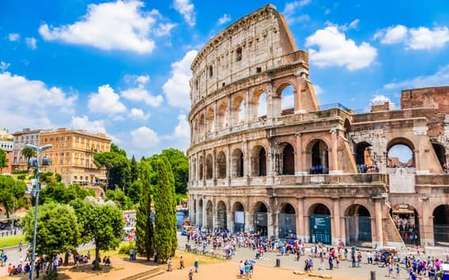
Purchasing tickets for the final entry window (varies seasonally) provides unexpected advantages beyond shorter queues. As guards begin clearing sections, you'll often gain privileged access to areas normally off-limits, like upper tiers with panoramic city views. Late afternoon light transforms the arena floor into a golden stage, perfect for photography without crowds photobombing your shots. This timing also aligns with cooler temperatures in summer months, when midday heat makes exploration exhausting. Savvy visitors combine this with a morning at the Roman Forum when it opens, then return to the Colosseum later using their same 2-day ticket.

View all Tours

Secret corridors most visitors never discover

Beyond timing, strategic route planning inside the Colosseum dramatically impacts your experience. Most herds follow the main circuit missing hidden gems like the recently opened gladiators' gate on the arena's eastern side. This lesser-known access point leads directly to underground tunnels without the usual bottlenecks. Mid-week visits (especially Tuesdays) often coincide with school group absences, creating unexpected breathing room. The third level's museum exhibits become enjoyable rather than claustrophobic during these periods. Pro tip: the metro station exit closest to the Colosseum creates instant crowds – approach from Oppian Hill for a breathtaking first view without the masses.

View all Tours

Combining your visit with nearby crowd-free wonders
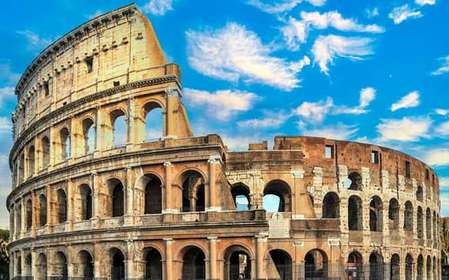
The Colosseum's ticket includes access to Palatine Hill and Roman Forum, but most visitors tackle these at peak hours. Reverse the standard route by starting at Palatine's tranquil Farnese Gardens in early afternoon when others are queueing at the Colosseum. By 3 PM, walk downhill through the Forum's nearly empty Basilica of Maxentius toward your timed Colosseum entry. This strategic path not only avoids crowds but follows ancient Rome's ceremonial route for chronological immersion. Nearby, the Domus Aurea underground offers reserved-time tours revealing Nero's buried palace – a masterpiece few tourists see despite being minutes from the Colosseum chaos.

View all Tours

FAQ 2026
How do I book official Colosseum tickets for 2026?
For 2026, all official tickets must be purchased through the centralized Ministry of Culture platform (ticketing.colosseo.it). General entry and Full Experience slots are released 30 days in advance at staggered intervals throughout the day to ensure fair access.
Do I need a passport to enter the Colosseum in 2026?
Yes, because all tickets in 2026 are nominative, you must present a valid physical passport or government ID that matches the name printed on your ticket. Digital copies are often accepted, but physical identification is highly recommended to avoid entry delays.
What is the policy for missed entry times at the Colosseum in 2026?
In 2026, the Colosseum enforces a strict timed-entry policy. You are allowed to enter within a window of 15 minutes before or after your scheduled slot; arriving outside this window may result in the forfeiture of your ticket without a refund.

Written by Rome Tours Editorial Team & Licensed Local Experts.

Last updated: 23/02/26