Navigating Rome's historical center can overwhelm even seasoned travelers. With over 25,000 points of interest packed into just 5 square miles, visitors waste an average of 3 hours daily backtracking or missing key sites. The frustration peaks when you realize you've walked past a Michelangelo masterpiece without noticing or stood in line at a crowded attraction when a quieter alternative existed nearby. Morning crowds at the Trevi Fountain (receiving 1,200 visitors hourly) or midday heat at the exposed Roman Forum test patience and stamina. What most guidebooks don't reveal are the logical walking sequences that connect ancient wonders with Renaissance splendor while avoiding tourist bottlenecks. Locals know the precise times when cobblestone alleys glow golden and how to transition smoothly from the Pantheon to Trastevere's trattorias without retracing steps.
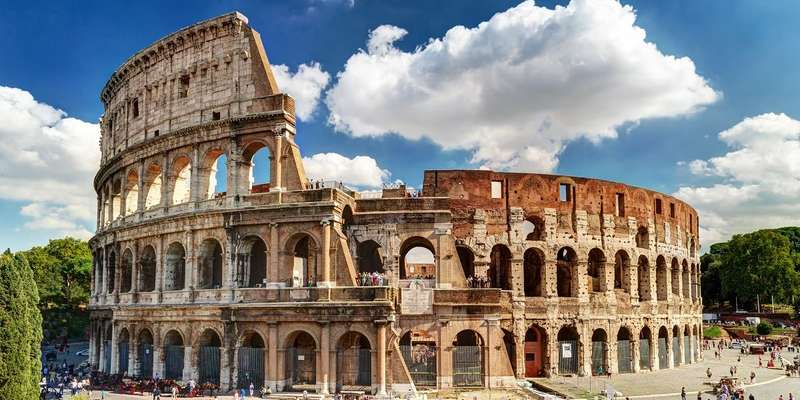
Why most Rome walking routes waste your time (and how to fix it)
The biggest mistake visitors make is following geographic clusters rather than historical chronology or light conditions. Many default to circling the Colosseum first, only to face harsh sunlight and two-hour queues when afternoon visits to cooler indoor sites like the Pantheon would be smarter. Another common error is tackling the Vatican and historic center in one exhausting day, unaware they're 3 miles apart. Smart walkers understand that Rome reveals its secrets through timing. Start at the Jewish Ghetto at dawn when the Portico d'Ottavia stones glow amber, then move to Campo de' Fiori as the market opens (8-10am). By lunchtime when temperatures peak, you should be indoors marveling at Caravaggios in San Luigi dei Francesi. This rhythm matches ancient Roman schedules - business in morning cool, repose during scorching afternoons, revival at golden hour.
View all Tours
The perfect 3-hour morning walk through 2,000 years of history
Begin at Largo Argentina's sunken Republican temples (best seen before 8am when cats sunbathe on ruins), then follow the ancient Via del Pellegrino toward Campo de' Fiori. As market vendors arrange their stalls, detour to Palazzo Farnese's courtyard - the Renaissance masterpiece opens at 8:30am with no queues. Cross the Tiber via Ponte Sisto when morning light illuminates its travertine, arriving in Trastevere as Santa Cecilia's cloister opens (9:30am). This route covers seven centuries of architecture in a logical progression, with coffee breaks at historic cafes like Sant'Eustachio Il Caffè. The secret is moving counter to crowds - while others rush to the Pantheon at 11am, you'll already be enjoying Aventine Hill's orange garden with panoramic views. Carry €1 coins for hidden delights like the Keyhole of Rome on Piazza dei Cavalieri di Malta.
UPDATES FOR YEAR 2026
Essential Entry Protocols: New Ticketing and Access Rules
Rome has implemented significant changes to landmark access that every walker must navigate. Most notably, the Trevi Fountain now requires a €2 entry fee to access the lower basin area for the traditional coin toss; while viewing the fountain from the square remains free, the steps are managed via timed slots and digital payments. Furthermore, the Pantheon and Colosseum have transitioned to strictly nominative ticketing, meaning the name on your ticket must exactly match your physical passport or ID card. For the Pantheon specifically, any name changes on pre-booked tickets must be finalized at least 72 hours before your arrival. Even previously open viewpoints, such as the 'Sacred Area' of Largo Argentina, now operate as ticketed archaeological sites with dedicated walkways. Travelers should prioritize booking through official government portals and carry a valid ID at all times to avoid denied entry at checkpoints.
View all Tours
Where to stay for walkable access to all major landmarks
Location matters more than luxury in Rome's historic center. The ideal base sits within the 'Golden Triangle' formed by Piazza Navona, the Pantheon, and Via del Corso - an area roughly 0.3 square miles containing 80% of must-see sites. Historic palazzos near Via dei Coronari offer 16th-century charm with modern amenities, just four minutes from the Tiber crossings to Trastevere. Surprisingly affordable convents like Casa di Santa Brigida provide tranquil gardens near the bustling Piazza Farnese. Avoid hotels near Termini Station; what you save in price, you lose in walking time and neighborhood charm. For families, the Jewish Ghetto area combines playgrounds at Portico d'Ottavia with easy access to the Teatro Marcello ruins. True insiders book rooms with rooftop terraces - watching sunset over St. Peter's dome after a day of walking beats any hotel spa.
View all Tours
Evening stroll secrets: When Rome's crowds disappear
As day-trippers leave around 5pm, Rome's center transforms. The Trevi Fountain's 9pm lighting ceremony draws one-tenth the crowds of midday, while the Pantheon's oculus creates dramatic moonlit effects after dusk (open until 7:30pm). Start your evening at the Spanish Steps - by 6:30pm the flower vendors pack up, leaving Bernini's boat fountain beautifully isolated. Walk down Via Margutta, Rome's artist alley, as galleries illuminate their window displays. Time your arrival at Piazza Navona for 8pm when street performers entertain diners at outdoor trattorias, and Bernini's Fountain of the Four Rivers becomes a shimmering centerpiece. For the ultimate local experience, join the passeggiata along Via del Governo Vecchio where Romans window-shop before dinner. This two-hour route reveals why UNESCO declared Rome's historic center a 'living museum' - after dark, ancient columns and Baroque facades become backdrops for la dolce vita.
View all Tours
FAQ 2026
Is there a fee to visit the Trevi Fountain in 2026?
While the surrounding piazza remains free to enter, a €2 fee is now required to access the 'catino' or the lower steps directly in front of the water. This area is managed with a limited capacity to prevent overcrowding.
Do I need to show ID for Pantheon entry in 2026?
Yes, Pantheon tickets are now nominative. You must present a physical ID or passport that matches the name printed on your ticket. Be aware that name changes must be completed 72 hours before your visit.
Can you still walk through Largo Argentina for free in 2026?
You can still view the Republican-era temples from the street level for free, but access to the internal pedestrian walkways and the close-up ruins requires a paid ticket, which costs approximately €5 for non-residents.
Written by Rome Tours Editorial Team & Licensed Local Experts.
Last updated: 23/02/26
