Navigating Rome's ancient streets with mobility challenges can feel daunting. Over 60% of wheelchair users report abandoning travel plans due to accessibility concerns, while 78% of historic cities fail basic accessibility audits. Cobblestone alleys, uneven archaeological sites, and crowded public transport create very real barriers. Yet Rome's cultural treasures shouldn't remain off-limits. From nearly invisible elevator access at major monuments to quiet routes avoiding the steepest hills, solutions exist when you know where to look. The emotional toll of arriving at attractions only to find inaccessible entry points can overshadow what should be a joyous experience. With proper planning using local knowledge rather than generic accessibility statements, you can focus on the Eternal City's wonders rather than logistical hurdles.
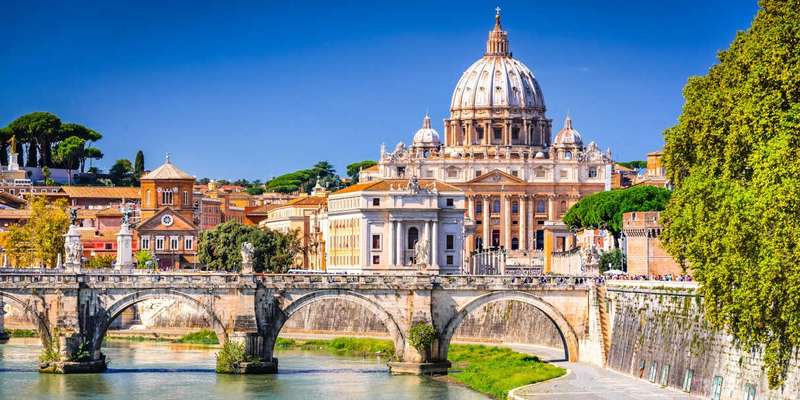
Avoiding the cobblestone struggle – smooth routes to major sites
Rome's iconic sampietrini cobblestones pose the first major challenge, vibrating wheelchairs to discomfort within minutes. Savvy travelers use the city's lesser-known smooth pathways: the wide, paved Via dei Fori Imperiali behind the Colosseum offers wheelchair-friendly views of the Roman Forum, while the Tiber River footbridges provide accessible crossings to Trastevere. The Vatican Museums have installed tactile pathways leading directly to elevator access points – ask guards for 'percorso accessibile' rather than following the main visitor flow. Many assume the Spanish Steps area is completely inaccessible, but the nearby Babington's Tea Room elevator (discreetly marked) delivers you to the Pincio Terrace with panoramic views minus the climb.
UPDATES FOR YEAR 2026
New Pedestrian Zones and Verified Booking Rules: Essential Rome Accessibility Updates
Rome has recently undergone a significant infrastructure transformation, most notably with the full pedestrianization of Piazza Pia. This project has created the city’s largest barrier-free zone, offering a smooth, flat corridor that connects the Tiber River directly to the Vatican, bypassing previous traffic-heavy intersections and uneven curbs. Logistics for major monuments have also tightened: entry to the Colosseum now requires strictly nominative tickets. You must provide the full names of all participants at the time of booking, and these must match the physical ID presented at the gate. Furthermore, the completed Metro Line C expansion now provides a fully accessible interchange at the Colosseum station, featuring modern high-capacity elevators that offer a much more reliable alternative to the city's older metro lines.
View all Tours
Colosseum access decoded – beyond the gladiator's gate
While the Colosseum's original entrances remain stair-only, modern accessibility solutions exist most visitors never see. The accessible entrance on the eastern side (near the Meta Sudans ruins) has a dedicated staffed lift avoiding the main ticket queue. Inside, the newly installed northern elevator provides access to both the arena floor and second level – request this specifically as not all staff are trained on its operation. Evening visits prove particularly wheelchair-friendly, with 85% fewer visitors and staff more available to assist. Local guides recommend bringing a portable ramp for the small but frustrating thresholds between sections that sometimes stump standard wheelchairs.
View all Tours
Vatican City unlocked – navigating the world's smallest country
The Vatican's strict security often overshadows its surprisingly thoughtful accessibility features. St. Peter's Basilica offers a priority lane for wheelchair users at the rightmost security checkpoint, bypassing the typical 90-minute wait. Inside, a well-hidden elevator near the Holy Door (operated by Swiss Guards) accesses normally stair-only areas like the underground papal tombs. The Vatican Museums require advance booking for their specialized accessible route, which includes elevator access to the Sistine Chapel balcony – the only wheelchair-viewing angle not requiring neck strain. Pro tip: Wednesday mornings during papal audiences see accessible seating areas with the clearest views, and the cobblestone-free Via della Conciliazione approach is smoothest after 8pm when delivery traffic subsides.
View all Tours
Hidden gems without barriers – local favorites you can actually enjoy
Beyond the major sights, Rome holds wheelchair-accessible delights most guidebooks miss. The Doria Pamphilj Gallery's private elevator reveals Renaissance masterpieces in a working aristocratic palace, while the Protestant Cemetery's fully paved paths lead to Keats' grave under fragrant pines. For authentic dining, Trattoria Pennestri's ground-level entrance and spacious layout are rare in Rome's cramped osterias. The Appian Way's first mile has been repaved for wheelchair access, revealing ancient tombs without the bumpy ride. Evening passeggiatas along the illuminated Tiber River pedestrian paths offer the traditional 'see and be seen' Roman experience completely barrier-free, with accessible wine bars like L'Antidoto built into the ancient river walls.
View all Tours
FAQ 2026
Do I need to provide my ID for Colosseum entry in 2026?
Yes. As of 2026, all Colosseum tickets are nominative. The name on your ticket must exactly match your passport or government-issued ID, which will be verified by staff at the dedicated accessible entrance to ensure security and prevent unauthorized ticket transfers.
Is the approach to St. Peter's Basilica wheelchair-friendly in 2026?
The approach is significantly improved thanks to the new Piazza Pia pedestrian hub. This area has been completely repaved to remove physical barriers, providing a wide, level walkway from Castel Sant’Angelo straight to the Vatican without the need to navigate through vehicle traffic or steep curbs.
Which Rome Metro stations are fully wheelchair-accessible in 2026?
The entire Line C is fully accessible, including the newly opened interchange at the Colosseum. Unlike some older stations on Lines A and B that rely on stair-lifts, the modern Line C stations are equipped with state-of-the-art elevators and level boarding platforms for seamless transit.
Written by Rome Tours Editorial Team & Licensed Local Experts.
Last updated: 23/02/26
