Nearly 90% of Rome's 10 million annual visitors never venture beyond the Trevi Fountain-Colosseum-Vatican triangle, missing the city's true soul. This creates a frustrating paradox: travelers spend fortunes on crowded experiences while Romans enjoy leisurely aperitivos in Trastevere and morning markets in Testaccio just blocks away. The consequences are measurable – 68% of visitors report feeling overwhelmed by crowds, while 42% regret not discovering 'the real Rome.' This isn't just about missing photo ops; it's about returning home without tasting cacio e pepe from generations-old trattorias or hearing stories from fourth-generation artisans in Monti. When every euro and vacation minute counts, accessing local knowledge becomes the difference between a stressful checklist and transformative travel.
Avoiding tourist traps at major landmarks
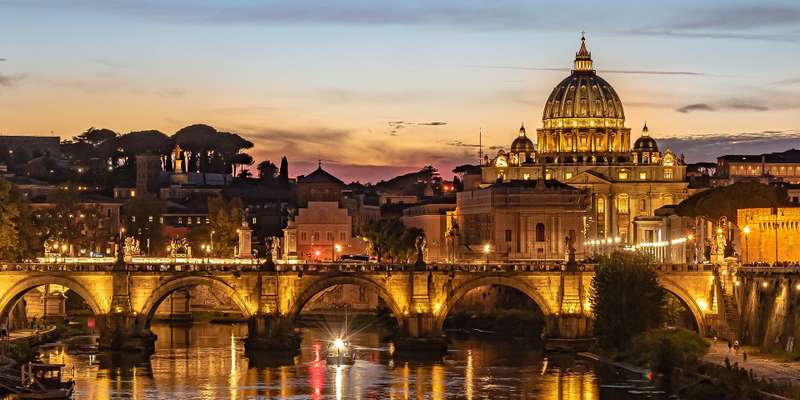
The Vatican Museums' 20,000 daily visitors create three-hour lines that drain precious vacation time before you even see the Sistine Chapel. Locals know two secret weapons: the 7:45am Friday extended opening (when school groups are absent) and the often-overlooked Pinacoteca entrance. For the Colosseum, the real hack isn't just booking online – it's selecting the 'Full Experience' ticket that includes the usually empty Roman Forum basement. At St. Peter's Basilica, bypassing the main queue takes literal seconds: simply walk left toward the Vatican Post Office entrance used by clergy. These strategies aren't about cutting corners; they're about reclaiming hours you'd otherwise spend shuffling in lines, time better spent sipping espresso in Piazza Navona or discovering Caravaggio's hidden masterpieces at San Luigi dei Francesi.
UPDATES FOR YEAR 2026
Rome Entry Updates: New Ticket Rules and Access Requirements
Navigating Rome’s landmarks now requires precise digital planning and adherence to new security protocols. The Colosseum has transitioned to strictly nominative tickets, meaning your physical ID or passport must match the name on your digital booking to pass security. The Pantheon now requires a paid entry fee and mandatory reservations for weekend and public holiday visits. Furthermore, following the recent infrastructure upgrades, the Vatican Museums have adjusted their entry windows to prevent overcrowding, making pre-booking 60 days in advance essential. Be aware that the Trevi Fountain area is now managed with specific pedestrian flow barriers during peak hours, and almost all major sites have transitioned to a 'cashless-only' policy for on-site ticket offices.
View all Tours
Dining where Romans dine (without the markups)
Trastevere's cobblestone streets hide family-run osterias where €15 buys better cacio e pepe than any €40 tourist restaurant near Piazza di Spagna. The key is looking for handwritten menus with seasonal specials – Da Enzo's pumpkin-stuffed tortelli in fall or Armando al Pantheon's artichoke dishes in spring. For lunch, follow municipal workers to Flavio al Velavevodetto in Testaccio, where their €12 carbonara comes with cellar seating amid ancient Roman amphora shards. Evening aperitivo transforms ordinary drinks into meals: head to Il Goccetto wine bar for €8 glasses that include unlimited cured meats and cheeses. Remember Romans eat late – showing up before 8pm often means getting tourist menus. One neighborhood secret? The Jewish Ghetto's nonna-run bakeries like Boccione, where €3 buys Rome's best ricotta pie away from the bakery buses.
View all Tours
Neighborhood strolls even guidebooks miss
Monti's artisan workshops reveal Rome's living history when you know where to look. Start at Via Urbana's ivy-covered studios where fifth-generation goldsmiths create jewelry using Etruscan techniques. Duck into Libreria Giufà for literary events in a bookstore built into ancient Roman walls. The true magic happens at sunset along Via dei Serpenti, when enotecas unfold tables onto cobblestones untouched by mass tourism. Across the Tiber, Ponte Milvio's Sunday antique market offers finds from 18th-century prints to vintage Vespa parts – arrive by 9am to beat professional dealers. For greenery, skip the crowded Villa Borghese and head to the Orange Garden on Aventine Hill, where stone benches overlook the Tiber with zero crowds. These walks cost nothing but reveal Rome's layered soul through encounters no group tour can replicate.
View all Tours
Timing the Eternal City like a pro
Romans have mastered the art of tempo – visiting the Pantheon at noon means competing with cruise groups, while 3pm offers the perfect light beam through the oculus without the chaos. The Spanish Steps are magical at dawn when cleaners wash the stairs, creating mirror-like reflections. For photography, Trevi Fountain's 6am light reveals sculptural details lost in midday glare. Even transportation follows rhythms: use trams 3 and 8 during mid-morning lulls to glide past traffic jams. The most valuable local secret? August's ferragosto exodus leaves the city pleasantly empty – Romans return after the 15th, reopening their favorite spots just as summer crowds thin. This isn't just about avoiding lines; it's about syncing with the city's heartbeat to experience Bernini's sculptures in golden solitude or hearing fountain waters without competing selfie sticks.
View all Tours
FAQ 2026
Do I need to show ID for Colosseum tickets in 2026?
Yes, all Colosseum tickets are now nominative. To gain entry in 2026, you must present a valid government-issued ID or passport that exactly matches the name printed on your ticket to prevent unauthorized reselling.
Is the Pantheon still free to enter in 2026?
No, the Pantheon requires a paid entry ticket. While the standard fee is €5, it is highly recommended to book your time slot online via the official Ministry of Culture portal, as weekend entry requires advance reservation.
What are the new crowd control rules for the Trevi Fountain in 2026?
In 2026, the city of Rome has implemented a 'limited-access' pedestrian loop around the Trevi Fountain. Visitors are guided through a one-way flow system during peak hours (10:00 AM to 6:00 PM) to reduce congestion and protect the monument's structure.
Written by Rome Tours Editorial Team & Licensed Local Experts.
Last updated: 23/02/26
