Exploring Rome's Jewish Quarter presents a unique challenge for travelers: how to experience one of Europe's oldest Jewish communities beyond surface-level sightseeing. With over 90% of visitors spending less than two hours in the area, most miss the profound historical layers and living traditions that make this neighborhood extraordinary. The Quarter's narrow alleys hide 2,000 years of continuous Jewish presence, yet without local context, its significance easily fades into just another picturesque Roman district. Travelers often report feeling overwhelmed by the juxtaposition of ancient Roman ruins, Renaissance architecture, and vibrant modern life. Worse, some inadvertently disrespect cultural sensitivities by missing dress codes at religious sites or overlooking Holocaust memorials. This cultural richness deserves more than a hurried stroll past kosher bakeries and souvenir shops.
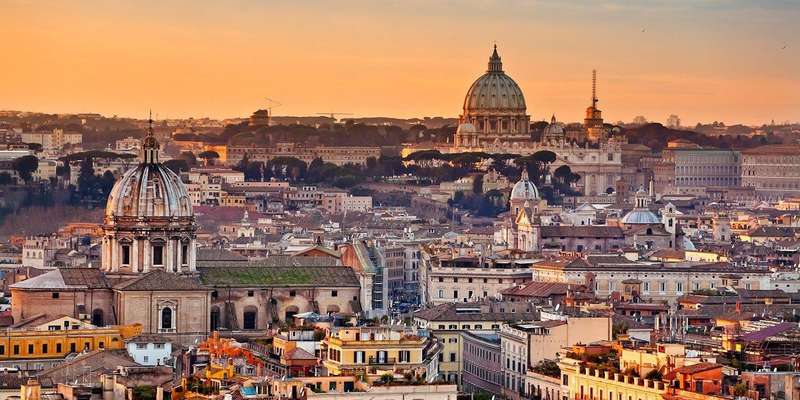
Navigating the Quarter's layered history without feeling lost
The Jewish Quarter's history unfolds like a living parchment, with each era leaving visible traces. Start at the Portico d'Ottavia, where Roman columns frame medieval inscriptions, then notice how 16th-century papal restrictions forced buildings upward, creating the area's distinctive tall, narrow houses. The Great Synagogue's aluminum dome dominates the skyline, but its museum holds darker stories - including Nazi occupation records. Local historians recommend tracing the 'memory stones' (stolpersteine) embedded in sidewalks, each marking a Holocaust victim's last home. For context, visit the excavated ruins of a 1st-century synagogue beneath Palazzo Salviati. These layers confuse many visitors, but understanding the neighborhood as a palimpsest transforms random sights into a coherent narrative of resilience.
UPDATES FOR YEAR 2026
Essential Logistics: Security Protocols and Digital Ticketing Updates
Current entry to the Great Synagogue and the Jewish Museum now follows a centralized digital booking system to streamline the mandatory airport-style security screenings. Visitors must carry a physical government-issued ID (passport or national ID card), as digital copies are frequently rejected at the reinforced police checkpoints surrounding the religious complex. The main thoroughfare, Via del Portico d'Ottavia, has completed its latest restoration phase and remains a strictly pedestrian-only zone. Travelers should note that many local trattorias have transitioned to 'card-preferred' or 'contactless-only' payments for outdoor seating. Furthermore, to manage the increased foot traffic, the Museum of Rome’s Jewish Community has introduced mandatory timed-entry slots during peak hours, which can be secured through their updated mobile portal.
View all Tours
Experiencing authentic Jewish-Roman cuisine beyond tourist spots
While kosher bakeries lure visitors with ricotta-filled pastries, the Quarter's culinary tradition runs deeper. Jewish-Roman cuisine developed unique dishes like carciofi alla giudia (crispy artichokes) during centuries of ghetto life. For authentic flavors, time your visit for lunch when locals pack family-run trattorias like Ba' Ghetto Milky for their legendary fried zucchini flowers. The trick? Look for menus featuring stracotto (slow-cooked beef) or concia (marinated zucchini) - dishes that survived papal food restrictions. Friday evenings offer magical ambiance as families gather for Shabbat meals, though reservations are essential. Many visitors miss the seasonal specialties; autumn brings pumpkin-stuffed pasta, while spring means vignarola (fava bean stew). Respectful diners are often welcomed into these living traditions with unexpected warmth.
View all Tours
Finding meaningful souvenirs that support local artisans
Beyond mass-produced menorahs, the Quarter harbors workshops preserving ancient crafts. The tiny Via del Tempio storefronts hide calligraphers creating ketubah (marriage contracts) using techniques unchanged since Renaissance times. For unique Judaica, seek out silversmiths hand-engracing kiddush cups near Piazza delle Cinque Scole. Paper-mask maker Eva Folks' studio offers whimsical Purim masks blending Roman and Jewish motifs. Timing matters - many artisans close Friday afternoons and reopen Sunday mornings. Those interested in rare books should visit the antique dealers along Via della Reginella, where 18th-century prayer books share shelves with contemporary Israeli literature. These purchases directly sustain cultural traditions while providing far more meaningful mementos than typical tourist trinkets.
View all Tours
Respecting sacred spaces while capturing their beauty
The Great Synagogue's stunning interior poses a dilemma for visitors - how to appreciate its Byzantine-inspired mosaics without disrupting worship. Morning visits (10am-12pm) typically avoid prayer times, and the adjacent museum provides context for photography. Dress codes require covered shoulders and knees; the synagogue provides disposable shawls. Few know about the small Spanish Synagogue behind Palazzo Cenci, open by appointment, where the wood-carved bimah rivals Florence's finest craftsmanship. For Holocaust memorials like the Largo 16 Ottobre plaque, locals suggest quiet reflection rather than photos. The most profound moments often come unexpectedly - perhaps hearing Sabbath hymns drift from an open window or spotting sunlight through a mezuzah's tiny glass door on an ancient doorway.
View all Tours
FAQ 2026
Do I need to book tickets in advance for the Great Synagogue in 2026?
Yes, it is highly recommended to reserve your timed-entry tickets through the Jewish Museum of Rome (Museo Ebraico di Roma) official website. This reservation includes both the museum and a guided tour of the Great Synagogue, helping you bypass the primary ticket queue and ensuring a spot during high-demand periods.
What are the security requirements for entering Rome's Jewish Ghetto sites in 2026?
The area around the Great Synagogue is subject to high-level security. Visitors must pass through metal detectors and have their bags inspected. You are required to present an original physical ID or passport; digital versions on mobile phones are generally not accepted by the security personnel stationed at the checkpoints.
Are kosher restaurants in the Jewish Quarter open on Saturdays in 2026?
Most strictly kosher (Teudah-certified) establishments close on Friday afternoon and remain closed through Saturday for Shabbat. However, some restaurants offer pre-paid Shabbat meals that must be booked at least 48 hours in advance, while non-kosher 'Jewish-style' eateries remain open throughout the weekend.
Written by Rome Tours Editorial Team & Licensed Local Experts.
Last updated: 23/02/26
