Rome's architectural wonders attract over 10 million visitors annually, yet most tourists miss the city's true design brilliance. Architecture enthusiasts face three painful realities: marathon queues at major sites, overlooked masterpieces hidden in plain sight, and the frustration of rushed visits that barely scratch the surface of Rome's 2,800-year design legacy. The Vatican Museums alone see 6 million visitors annually, creating bottlenecks that turn cultural appreciation into endurance tests. Meanwhile, local architects whisper about palazzos with Bernini staircases that even seasoned travelers walk past daily. This pressure to 'see everything' often leaves visitors with superficial experiences of Rome's layered architectural history, from Etruscan foundations to contemporary starchitect projects.
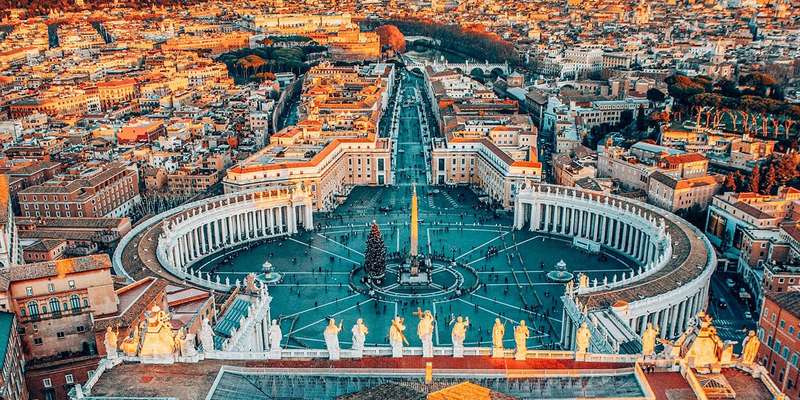
Escaping the Colosseum crowds to discover Rome's secret arches
While the Colosseum's grandeur is undeniable, its 7 million annual visitors create an experience far removed from architectural contemplation. Just fifteen minutes away, the Arco degli Argentari reveals Rome's transition from imperial to medieval architecture without a single queue. This 3rd-century arch near the Forum Boarium showcases intricate reliefs that tell forgotten merchant stories, offering intimate access to carving techniques you'd miss at larger monuments. For Renaissance enthusiasts, the Palazzo della Cancelleria's courtyard - free to enter - displays Bramante's pioneering use of classical elements years before St. Peter's Basilica. Local architects suggest visiting these sites during lunch hours (1-3 PM), when tourist groups disperse. Bring a folding stool for comfortable sketching sessions, a practice Roman architecture students have perfected over centuries.
UPDATES FOR YEAR 2026
New Entry Protocols and Digital Ticketing Requirements for Historic Landmarks
Navigating the city's ancient sites now requires adherence to strict new management protocols designed to preserve structural integrity and manage record-breaking visitor numbers. Access to the Colosseum and Roman Forum has transitioned to a mandatory nominative ticketing system; every digital pass is linked to a specific identity, and security personnel now perform mandatory ID checks to ensure names match. Furthermore, the district surrounding the Trevi Fountain has introduced a managed-access fee for the lower basin and steps to curb overcrowding, though the fountain remains visible from the square. Architecture lovers should also note that the massive pedestrianization of the zone between Castel Sant’Angelo and the Vatican is now fully operational, offering a new, car-free perspective on the transition from imperial fortress to Renaissance grandeur.
View all Tours
Baroque brilliance beyond the Trevi Fountain
Rome's Baroque movement extends far beyond the crowded Trevi district, with hidden gems offering superior artistic details. The often-ignored Chiesa di Sant'Ignazio di Loyola contains Andrea Pozzo's breathtaking trompe-l'oeil dome - a masterclass in architectural illusionism that rivals anything in the Vatican. Few know that Borromini's revolutionary spiral staircase at Palazzo Barberini can be admired for free during weekday mornings when government offices are active. For those studying light manipulation in sacred spaces, the Chiesa del Gesù's vault reveals Vignola's original designs that influenced churches worldwide. These sites provide calmer environments to appreciate the Baroque's dramatic curves and play of light, with the added benefit of nearby artisan cafes where Roman architects still debate design principles over espresso.
View all Tours
Navigating Rome's architectural layers neighborhood by neighborhood
Rome's true architectural narrative unfolds when exploring by era-specific districts rather than jumping between scattered landmarks. The Testaccio neighborhood offers a condensed journey from ancient Roman warehouses to 1930s rationalist buildings, all within walkable streets. Here, you can trace how brickwork techniques evolved over two millennia while enjoying local trattorias frequented by architecture professors. Across the Tiber, Trastevere's medieval alleys reveal how Roman builders repurposed ancient materials, visible in church foundations and palazzo walls. For modernist enthusiasts, the Flaminio district's 1960s Olympic structures showcase Nervi's innovative concrete engineering. This localized approach reduces transit time while deepening your understanding of architectural evolution, with each district offering characteristic cafes perfect for reviewing sketches and notes.
View all Tours
Special access to Rome's normally restricted architectural treasures
Several of Rome's most significant architectural spaces require insider knowledge to access outside formal tours. The Domus Aurea's underground vaults, Nero's revolutionary octagonal dining room, open for limited weekend visits requiring advance reservation. Similarly, the Tempietto del Bramante - a Renaissance masterpiece often missed on standard itineraries - offers twilight visits on summer evenings. For contemporary architecture, the MAXXI Museum's staff-led 'backstage' tours reveal Zaha Hadid's structural innovations unseen by regular visitors. These experiences provide unparalleled access to spaces where architectural history was made, often with expert guides who worked on restoration projects. Early booking is essential, as groups are kept small to preserve the integrity of these sensitive environments while allowing detailed examination of construction techniques.
View all Tours
FAQ 2026
What are the mandatory requirements for booking Colosseum tickets in 2026?
All tickets in 2026 are strictly nominative and non-transferable. When booking via the official platform, you must provide the legal name of every visitor, which will be verified against a physical passport or government-issued ID at the entrance.
Is there an entry fee to access the Trevi Fountain in 2026?
As of February 2026, a €2 entry fee is required to access the lower basin and stone steps of the Trevi Fountain during peak hours. This measure limits capacity to 400 people at a time to improve the architectural viewing experience.
How have the completed Jubilee infrastructure projects impacted Rome architecture tours in 2026?
The completion of the Jubilee 2025/2026 projects, specifically the pedestrianization of Piazza Pia, has created a continuous architectural walkway from the Tiber to St. Peter's Square, allowing for uninterrupted study of the city's urban layers without traffic interference.
Written by Rome Tours Editorial Team & Licensed Local Experts.
Last updated: 23/02/26
