Rome’s winter crowds can be a double-edged sword. While the city is less packed than in peak season, popular attractions like the Colosseum and Vatican Museums still draw significant visitors. Many travelers assume winter means empty streets, only to face queues that eat into precious sightseeing time. Over 60% of winter visitors report spending at least an hour in lines at major sites, according to recent tourism data. The chillier months also bring unpredictable weather that can disrupt outdoor plans, leaving tourists scrambling for indoor alternatives. Navigating these challenges requires local knowledge of when to visit key landmarks and how to dress for comfort. Without proper planning, what should be a magical experience can turn into a frustrating battle against crowds and cold.
Why Rome’s winter crowds surprise unprepared travelers
Rome’s winter visitor numbers are lower than summer, but key attractions remain busy due to shorter opening hours and seasonal closures. The Vatican Museums, for example, see 15,000 daily visitors even in January – half their summer capacity but enough to create long lines without planning. Many tourists mistakenly believe they can wander into major sites spontaneously, only to waste hours in queues. Cruise ship day-trippers and European school groups also contribute to unexpected crowd surges mid-week. Weather plays a crucial role too; rainy days funnel everyone into indoor attractions simultaneously. Locals know the secret lies in strategic timing: early mornings and late afternoons at the Colosseum, or Wednesday mornings when papal audiences draw crowds away from museums.
View all Tours
Local-approved strategies for avoiding winter queues
Roman residents have perfected the art of winter sightseeing through subtle schedule adjustments. The first trick is targeting attractions by time slot – the Pantheon sees minimal crowds during lunch hours when tour groups eat, while St. Peter’s Basilica is quiet after 3 PM. Many winter visitors don’t realize that Rome’s public transport strikes (common on Fridays) actually thin museum crowds as locals stay home. For the Vatican, purchasing tickets for the last entry slot at 12:30 PM means exploring nearly empty galleries as others leave for lunch. Free options like the Capitoline Museums are wonderfully uncrowded on winter weekends when Romans escape to countryside villages. Always check the Vatican’s unofficial calendar too – days without papal events or saint’s feast days see 30% fewer visitors according to municipal tourism data.
UPDATES FOR YEAR 2026
Essential Booking Updates and New Access Rules for Winter Travelers
Current travel regulations require stricter adherence to booking protocols than in previous seasons. The Colosseum has transitioned to a fully nominative ticketing system, making it essential to carry a physical ID or passport for verification at the gate to ensure it matches the name on your digital reservation. Visitors must also account for the mandatory entry fee at the Pantheon, where online booking is now a requirement for weekend and public holiday visits. Logistics have been notably impacted by the conclusion of recent Jubilee celebrations; while the city experiences peak congestion until the closing of the Holy Doors on January 6th, the subsequent weeks offer the most significant drop in foot traffic. Additionally, updated municipal tourist taxes are now in effect, requiring a higher nightly contribution per person at all licensed accommodations, and public transit schedules may shift due to ongoing infrastructure maintenance following the holy year.
View all Tours
Weather-proofing your winter Rome itinerary
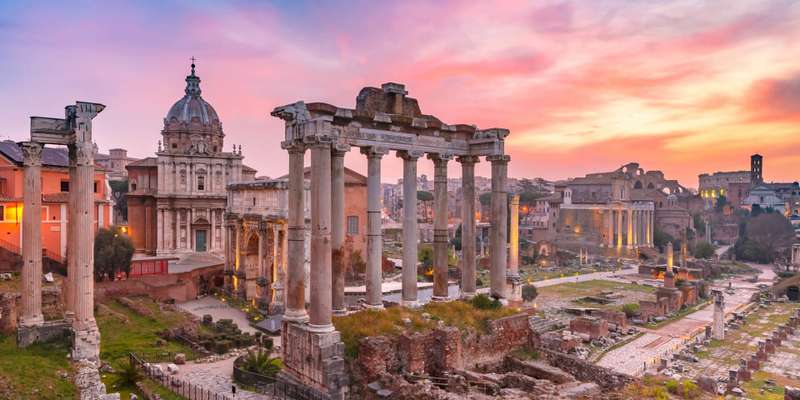
December through February in Rome brings capricious weather where morning frost can give way to afternoon sunshine. This unpredictability scatters crowds in fascinating ways that savvy travelers can exploit. When temperatures drop below 10°C, outdoor sites like the Roman Forum become nearly deserted – perfect for photographers who bundle up. On drizzly days, the usually packed Trevi Fountain area clears out by noon as tour groups divert to museums. Smart visitors layer clothing and target outdoor attractions during brief sunny spells, saving indoor sites like the Borghese Gallery (which requires timed tickets anyway) for inevitable rainy intervals. Locals swear by thermal undershirts and waterproof shoes, allowing comfortable exploration when fair-weather tourists retreat to cafes. The secret is maintaining flexibility – have a sunny-day itinerary and a wet-weather backup list of covered landmarks like the Pantheon or Palazzo Doria Pamphilj.
View all Tours
Where to stay for easy winter access to top sites
Winter visitors gain unique advantages by choosing accommodations strategically. The Prati district near the Vatican offers quick morning access before crowds arrive, while Trastevere’s boutique hotels put you steps from festive winter markets most tourists miss. Areas around Piazza Navona see rates drop 40% in January, putting luxury apartments within budget. Locals recommend staying near metro Line A (Ottaviano or Lepanto stops) for covered access to sites on rainy days. For those wanting to experience Rome like a resident, winter is prime time to book convent stays – historic monasteries near the Colosseum offer heated rooms and courtyard gardens inaccessible to day visitors. Regardless of location, prioritize hotels with 24-hour reception; winter flight delays are common, and you’ll want guaranteed late check-in when arriving on chilly evenings.
View all Tours
FAQ 2026
Do I need to bring my passport for Colosseum entry in 2026?
Yes, for 2026, all tickets are nominative and security staff will check your physical passport or ID card to ensure it matches the name on your ticket.
What are the Pantheon entry rules for winter 2026?
In 2026, the Pantheon requires a €5 entry fee. While you can buy tickets on-site during the week, you must book online in advance for weekends and public holidays to guarantee entry.
How long will the Jubilee crowds last in 2026?
The 2025-2026 Jubilee officially concludes on January 6, 2026. Expect very high crowd levels in early January, followed by a major decrease in visitor numbers for the remainder of the winter season.
Written by Rome Tours Editorial Team & Licensed Local Experts.
Last updated: 23/02/26

