Rome's enchanting evening atmosphere draws visitors to moonlit piazzas and floodlit monuments, but safety concerns can cast a shadow over the experience. Over 60% of travelers report anxiety about navigating unfamiliar cities at night, with crowded metro stations and poorly lit alleys topping worry lists. The reality of Rome after dark blends timeless beauty with modern precautions – pickpockets target distracted tourists near major attractions, while some transit routes become less reliable post-midnight. Yet dismissing nighttime exploration means missing the Trevi Fountain's magical illumination or Trastevere's vibrant dinner scene. Understanding which areas maintain a safe, lively ambiance versus those best avoided allows you to savor la dolce vita without unnecessary stress. Locals navigate these nuances daily, from choosing well-patrolled taxi stands to recognizing which cobblestone shortcuts actually save time versus increasing risk.
Neighborhood watch – where to wander and where to avoid after sunset
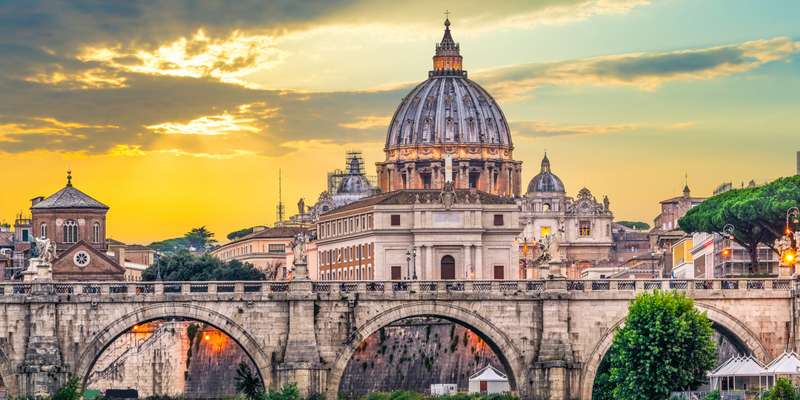
Rome's safety after dark varies dramatically by district, turning a simple evening stroll into either a delightful experience or an uncomfortable situation. The historic center generally remains lively and secure until midnight, with areas around Piazza Navona and the Pantheon buzzing with diners and street performers. Trastevere maintains its cheerful chaos well into the night, though the maze-like side streets near the river can feel isolated past 1 AM. Vatican City surroundings become surprisingly quiet once museums close, creating empty stretches along Leonine Walls. Testaccio offers authentic nightlife with fewer tourist traps, while Monti balances trendy bars with residential calm. Southern Esquilino near Termini Station demands extra caution after dark, particularly around dimly lit Piazza Vittorio. True locals know the invisible boundary where Campo de' Fiori's party crowd thins into less monitored alleys – if the aperitivo bars have rolled up their awnings, it's your cue to do the same.
Transport tricks – getting home safely when the metro closes
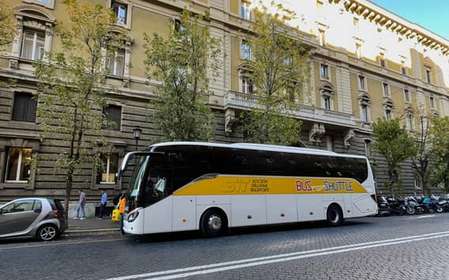
Rome's public transport system shrinks dramatically after 11:30 PM, leaving many visitors stranded or overpaying for unreliable taxis. The night bus network (linee notturne) becomes your lifeline, with key routes like the n8 from Trastevere to Termini running until 5 AM. Downloading the official ATAC app reveals real-time tracking so you're not waiting alone at poorly lit stops. Licensed white taxis with roof lights always beat unmarked cars offering rides – the official ranks at Piazza Venezia and Largo Argentina never disappear. Savvy travelers pre-load MyTaxi or FreeNow apps to book registered drivers, avoiding late-night haggling. Those staying near Vatican City can leverage the 24-hour tram 8 along Via del Corso, while Parioli residents use night bus n2. A little-known local trick? Major hotels will call vetted taxi companies for you even if you're not a guest – just tip the concierge.
UPDATES FOR YEAR 2026
Current Security Protocols and Nighttime Transport Updates
Safety in Rome has shifted toward more proactive enforcement with the implementation of 'Red Zones' (zone rosse) in high-traffic districts, specifically around the Termini and Esquilino areas. These zones grant authorities expanded powers to remove disruptive individuals and maintain order. To combat petty crime on the subway, the city has inaugurated the 'Polmetro'—a dedicated police force stationed directly within major metro hubs like Termini to monitor platforms in real-time. Travelers should also note a new logistics change at the Trevi Fountain: access to the lower basin now requires a €2 entry fee until 10:00 PM to manage overcrowding, though the area becomes free and less congested for night photography after this hour. Regarding transit, while Metro A has resumed standard hours after extensive track upgrades, Metro B is currently undergoing staggered weekend maintenance; always verify if your route is served by 'MA' or 'MB' replacement shuttle buses, which now feature improved GPS tracking via the updated ATAC app.
Local routines – blending in to avoid unwanted attention
Romans have perfected the art of nighttime passeggiata without becoming crime statistics, and mirroring their habits keeps you safer. Ditch the map-consulting pauses by pre-loading Google Maps offline – staring at your phone marks you faster than any designer luggage. Evening attire here means smart casual, not athletic wear or flip-flops that scream 'tourist'. Locals carry crossbody bags with zippers turned toward their body, not dangling backpacks. Notice how Italians never set phones or wallets on café tables? Follow suit. When dining al fresco, loop purse straps around chair legs. If lost, step into any open trattoria to reorient – staff will gladly point directions without the vulnerability of street inquiries. Romans also avoid empty vicoli (alleys) that shortcut between major streets after dark, even if GPS suggests otherwise. That charming fountain at midnight might be photogenic, but the lack of witnesses makes it riskier than waiting for daylight.
After-hours experiences worth the caution
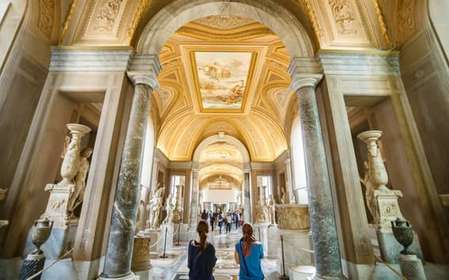
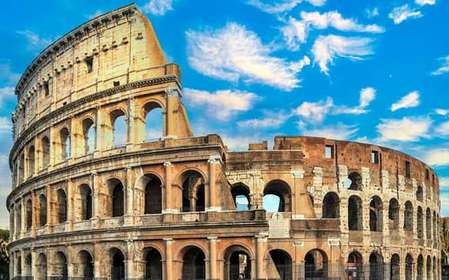
Some of Rome's most memorable moments happen after dark, provided you choose activities designed for nighttime enjoyment. Guided evening tours of the Colosseum's underground eliminate both safety concerns and daytime crowds, with official archaeologists leading small groups. The Jewish Quarter's candlelit restaurants offer incredible ambiance along secure, well-trafficked streets. Summer opera at the Baths of Caracalla provides a secure venue with controlled exits, while Villa Borghese's open-air cinema has staffed parking. For independent exploration, stick to illuminated routes like Via dei Coronari's antique shop windows or the Tiber River walkway between Ponte Sisto and Ponte Sant'Angelo. Even the Vatican Museums now offer Friday night openings with timed tickets that prevent overcrowding. These structured experiences deliver the magic of Rome by night without the vulnerability of aimless wandering – because la notte romana should thrill you, not threaten you.
FAQ 2026
Is the area around Termini Station considered safe for travelers in 2026?
Yes, security has significantly improved in 2026 with the introduction of the 'Polmetro' police force and the designation of the station as a 'Red Zone.' This allows for a much higher presence of law enforcement and stricter prevention of petty crime compared to previous years.
What are the night transport rules for the Rome Metro in 2026?
In 2026, the Metro generally runs until 11:30 PM from Sunday to Thursday and until 1:30 AM on Fridays and Saturdays. However, travelers should check for 'open-heart' maintenance closures on Metro B, which are frequently scheduled for weekends and replaced by dedicated shuttle buses.
Are there any new fees for visiting Roman landmarks at night in 2026?
As of early 2026, a €2 access fee is required to enter the Trevi Fountain's lower basin area during peak hours. This fee is waived after 10:00 PM, making late-night visits both more affordable and significantly quieter for those looking to avoid the crowds.
Written by Rome Tours Editorial Team & Licensed Local Experts.
Last updated: 24/02/26