Rome, the Eternal City, overwhelms first-time visitors with its sheer density of historic sites, artistic masterpieces, and culinary delights. The average traveler spends just 2.3 days here, leaving many to face an impossible choice: either rush through iconic landmarks or miss them entirely. Morning crowds at the Colosseum peak before 10 AM, with wait times exceeding two hours, while disorientation in the Vatican Museums' 7km of corridors wastes precious daylight hours. This pressure turns what should be awe-inspiring moments into stressful races against time, compounded by the fear of missing authentic local experiences. The challenge isn't finding things to see – it's creating a seamless flow between them while avoiding tourist traps that could derail your limited time.
Beating the crowds at Rome's top attractions
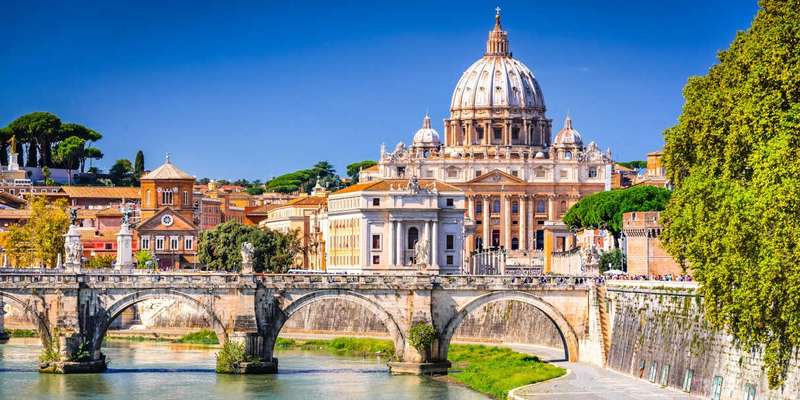
The secret to experiencing Rome's icons without wasting hours in lines lies in strategic timing and alternative entries. While most visitors head straight to the Colosseum's main entrance, savvy travelers use the often-overlooked Arena Floor access, which not only offers shorter queues but also provides breathtaking gladiator-level perspectives. At St. Peter's Basilica, arriving exactly at 7 AM (when doors open) means walking straight in versus afternoon waits exceeding 90 minutes. For the Vatican Museums, Wednesday mornings can be surprisingly quiet due to the Papal Audience drawing crowds to St. Peter's Square instead. Local guides know which of the museum's 24 exit points lead directly to the Sistine Chapel, saving you 40 minutes of navigation through less significant galleries. These subtle adjustments can reclaim nearly half your day from unnecessary waiting.
UPDATES FOR YEAR 2026
New Entry Rules: Nominative Tickets and Mandatory Booking Requirements
Navigating Rome now requires more digital foresight than in previous years. The most significant change for travelers is the implementation of mandatory nominative tickets at the Colosseum; every ticket must now be linked to the visitor's legal name, and staff perform rigorous ID checks at the gate. Mismatched names will result in denied entry with no possibility of an on-site correction. Furthermore, the Pantheon has transitioned from a free site to a paid monument with a required booking system, particularly on weekends and public holidays when walk-ins are largely restricted. A new €2 access fee has also been introduced for the basin area of the Trevi Fountain to manage flow and preserve the monument. For transportation, the city has fully modernized its 'Tap & Go' system; you no longer need physical tickets for the metro or buses, as all readers now accept contactless credit cards and digital wallets, significantly reducing the friction of moving between the historic center and the Vatican.
View all Tours
The perfect walking route connecting Rome's highlights
Rome reveals its magic when you follow the natural flow between monuments rather than zigzagging across town. Start at the Pantheon at sunrise when its oculus creates ethereal light beams without the midday crowds, then walk three minutes to Sant'Eustachio Il Caffè for what Romans consider the city's best espresso. From there, a 12-minute stroll brings you to Piazza Navona's baroque fountains just as street artists begin their day. The key is moving counterclockwise from central landmarks toward the Tiber River, allowing you to reach Trastevere's authentic trattorias right as locals break for lunch. This route covers 6km total but feels effortless when broken into 15-20 minute segments between gelato stops and hidden courtyards most tour groups overlook. Evening brings the perfect finale: approaching the Trevi Fountain from Via dei Crociferi's elevated position for a crowd-free panoramic view as lights illuminate the marble.
View all Tours
Where to stay for optimal one-day access
Your hotel's location makes or breaks a single day in Rome. The sweet spot lies within the 'Triangolo Dorato' between Piazza di Spagna, Piazza Barberini, and the Trevi Fountain – an area measuring just 0.3 square miles yet putting you within 15 minutes' walk of 80% of major sites. Family-run guesthouses near the Pantheon offer 4 AM wake-up calls for dawn photography at empty landmarks, while boutique hotels along Via del Corso provide late-night access to shopping streets that transform into pedestrian paradises after delivery trucks leave. Avoid accommodations near Termini Station despite lower rates; what you save in euros you'll lose in transit time. For those willing to splurge, rooftop terraces near Campo de' Fiori offer sunset aperitivo with views spanning from the Altare della Patria to St. Peter's dome – essentially a private panorama of your day's accomplishments.
View all Tours
Dining strategies that save time without sacrificing authenticity
Rome's culinary scene tempts visitors to linger for hours, but strategic eating lets you savor flavors while maintaining momentum. Instead of traditional sit-down lunches, seek out 'trapizzino' spots like Testaccio's Trapizzino, where pyramid-shaped pockets of pizza bianca hold slow-cooked Roman specialties you can eat while walking. For coffee breaks, remember that bars charge triple for table service – the local move is drinking your cappuccino standing at the counter like Romans do. Reserve your one proper meal for dinner at a trattoria along Via del Governo Vecchio, where 7:30 PM reservations let you feast on cacio e pepe and saltimbocca before evening passeggiata crowds arrive. Most importantly, avoid restaurants with multilingual menus near major sites; walk just two blocks into residential areas where hand-written daily specials and nonna-run kitchens guarantee both speed and authenticity.
View all Tours
FAQ 2026
Are tickets for the Colosseum nominative in 2026?
Yes, all Colosseum tickets in 2026 are nominative. You must provide the full legal name of every visitor at the time of purchase, and this name must match the physical passport or government ID presented at the entrance.
Do I need to book in advance for the Pantheon in 2026?
Advance booking is highly recommended for the Pantheon in 2026, especially on weekends and holidays when entry is restricted to those with pre-purchased tickets. There is a €5 entry fee for adults, which can be paid online via the official Ministry of Culture portal.
Is there a fee to see the Trevi Fountain in 2026?
While the fountain remains visible from the square, a €2 access fee was introduced in 2026 for those wishing to enter the lower basin area directly in front of the water. This measure is designed to control overcrowding and ensure a more respectful experience for visitors.
Written by Rome Tours Editorial Team & Licensed Local Experts.
Last updated: 23/02/26

