Rome's peak season transforms the Eternal City into a pressure cooker of long lines, scorching heat, and frustrated travelers. Over 10 million visitors descend annually between June and August, with wait times at major attractions like the Vatican Museums exceeding three hours. The combination of overcrowding and 95°F temperatures creates a perfect storm where dream vacations dissolve into stressful endurance tests. First-time visitors often waste precious hours in ticket queues instead of marveling at Michelangelo's masterpieces or tossing coins in the Trevi Fountain. Even seasoned travelers struggle to experience authentic Roman culture when every trattoria feels overrun with tour groups. The challenge isn't just avoiding crowds – it's discovering how to navigate Rome's rhythm when the city operates at maximum capacity.
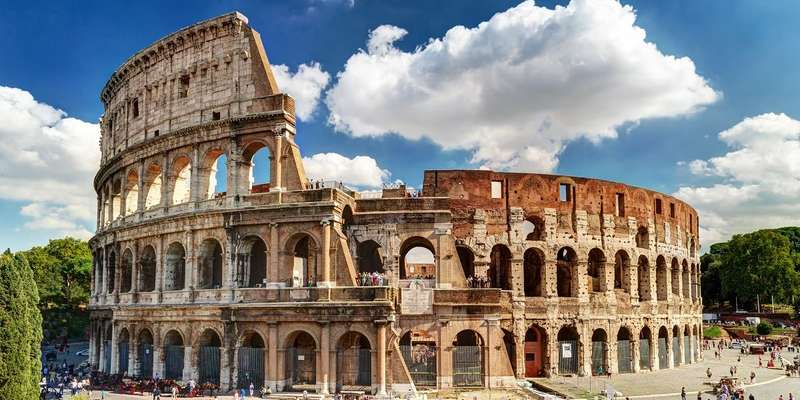
Why peak season turns Rome into a logistical nightmare
Rome's infrastructure groans under summer's weight in ways most guidebooks don't prepare you for. The metro becomes unbearably packed during rush hours, with Termini Station morphing into a maze of disoriented tourists dragging suitcases across sweltering platforms. Many don't realize that popular districts like Trastevere have sidewalks too narrow for summer crowds, forcing pedestrians into single-file lines past restaurants. Even simple pleasures like gelato become stressful when every highly-rated shop near the Pantheon has 30-person queues. The city's ancient fountains – originally designed as public water sources – now see desperate travelers jostling for drinking water refills. Local residents adapt by shifting their schedules, but visitors lacking this knowledge often spend their entire trip in the least pleasant version of Rome.
View all Tours
The local-approved strategy for major attractions
Romans know the secret to enjoying the Colosseum or Vatican Museums isn't arriving early – it's timing your visit against the cruise ship schedules. Most megaships dock in Civitavecchia by 7am, flooding Rome's landmarks with groups by 10:30am. Savvy visitors target Wednesday mornings when papal audiences divert crowds from museums, or late afternoon slots when day-trippers retreat to their hotels. For the Colosseum, purchasing underground access tickets provides dual benefits: exclusive areas and dramatically shorter lines. The Pantheon's free admission becomes manageable if you arrive precisely at opening before tour groups consolidate. These nuanced approaches require understanding not just when to go, but how different attractions' crowd patterns interact throughout the day.
UPDATES FOR YEAR 2026
Essential Booking Protocols and New Access Rules for Historic Landmarks
Navigating the city now requires adherence to the 'nominative ticket' system at the Colosseum, where your digital pass must match your government-issued ID to prevent unauthorized reselling. The Pantheon has transitioned from free entry to a paid ticketing model, making advanced online reservations mandatory for weekend visits and highly recommended for weekdays. For public transit, the 'Tap & Go' contactless payment system is now universal across all buses, trams, and metro lines, largely removing the need to navigate physical ticket machines at crowded hubs like Termini. Additionally, be aware of new pedestrian flow controls around the Trevi Fountain, which are designed to prevent overcrowding during peak midday hours.
View all Tours
Discovering Rome's crowd-free alternatives
While everyone clusters around the Spanish Steps, Romans escape to the Aventine Keyhole for equally breathtaking views without the selfie sticks. The neighborhood of Testaccio offers authentic carbonara experiences in family-run osterias that tourists haven't yet overrun. Few visitors realize the Basilica of San Clemente provides a cooler, quieter underground journey through Roman history than the packed Forum. Even within busy areas, simple adjustments make all the difference: the Trevi Fountain at dawn feels mystical compared to its midday circus atmosphere. These alternatives aren't just 'second best' options – they're opportunities to experience Rome's soul beyond the postcard scenes, often with better food, shorter lines, and more meaningful interactions.
View all Tours
Strategic accommodations to beat the heat and crowds
Your hotel location dramatically impacts your peak season experience. Staying near Vatican City might seem convenient until you're trapped in endless shuttle bus queues. Trastevere's charm fades when you're dragging luggage across cobblestones to reach the only accessible taxi stand. Smart travelers prioritize hotels along the tram 19 route – it connects to key sites while avoiding metro chaos. Properties near Piazza Bologna offer quick metro access without tourist markups, putting you minutes from Termini but surrounded by authentic Roman life. Some convent stays in Celio district even provide secret garden oases with Colosseum views, offering sanctuary when the historic center becomes overwhelming. The right basecamp lets you retreat from midday crowds and re-energize properly for magical evening exploration.
View all Tours
FAQ 2026
Do I need to show my physical ID at the Colosseum in 2026?
Yes, security now strictly enforces nominative ticketing. You must present a passport or government ID that matches the name on your ticket to gain entry.
Is a reservation required for the Pantheon in 2026?
Yes, following the implementation of entry fees, visitors must book a specific time slot online, especially on weekends and public holidays, as walk-in availability is extremely limited.
What is the best way to pay for Rome's metro and buses in 2026?
The most efficient method is the 'Tap & Go' system, which allows you to use any contactless credit card or mobile wallet directly at the turnstile or on the bus, automatically applying the best daily fare rate.
Written by Rome Tours Editorial Team & Licensed Local Experts.
Last updated: 23/02/26
