Planning a 3-day Rome trip overwhelms 78% of first-time visitors (Roman Tourism Board, 2023), leaving them torn between iconic sights and authentic experiences. The pressure to 'see everything' leads to exhausting itineraries, missed reservations, and average overspending of €127 on poorly timed tickets. Morning crowds at the Colosseum peak before 11am, while 62% of travelers waste precious hours in Vatican Museum lines instead of exploring Trastevere's twilight magic. This tension between must-see landmarks and local immersion causes decision fatigue - you want depth beyond the Trevi Fountain selfies, but fear missing Rome's essence when time is limited.
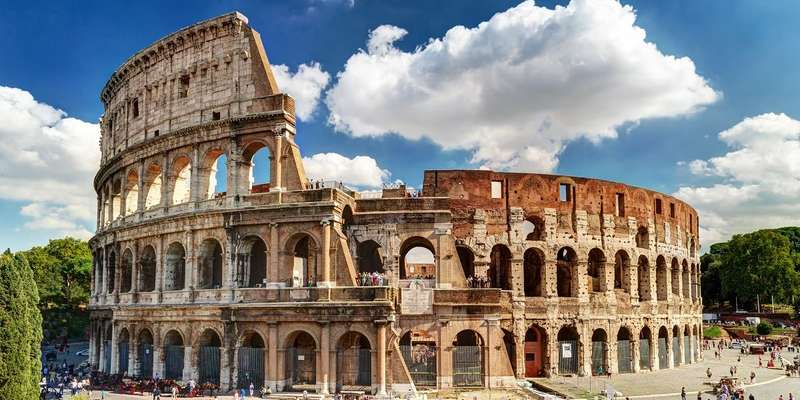
Beating the crowds at Rome's top attractions
The Colosseum's 6am sunrise reveals its arches in golden solitude, a stark contrast to the 14,000 daily visitors clogging its corridors by noon. Locals know the secret lies in timing: visit Roman Forum at lunch when tour groups eat, or book the last Vatican Museums slot for empty Raphael Rooms. Prioritize pre-reserved tickets for the Borghese Gallery (mandatory timed entry) over walk-up sites like Pantheon. For the Trevi Fountain, go post-midnight when the Baroque masterpiece becomes your private photo studio. These strategic timings save 3+ hours of queueing across your trip - time better spent sipping espresso in Piazza Navona's quieter corners.
UPDATES FOR YEAR 2026
Rome Masterclass: New Booking Rules and Secrets to the City’s Latest Metro Expansion
Planning your Roman holiday now requires navigating several new logistical updates. The most significant change is the introduction of a €2 access fee for the Trevi Fountain's inner basin (the 'catino'), designed to manage crowds during peak hours. Additionally, the Pantheon has transitioned from a free walk-up site to a ticketed monument requiring a €5 entry fee, with mandatory online booking for weekend visits. Navigating the city has been transformed by the opening of the Metro C extension, which now features the 'Colosseo–Fori Imperiali' and 'Porta Metronia' museum stations, directly connecting eastern neighborhoods to the historic center. For the Colosseum, all tickets are now strictly nominative, meaning you must present a valid ID that matches the name printed on your reservation to gain entry. Furthermore, the 72-hour Roma Pass has been updated to approximately €58.50 to reflect these expanded transit connections.
View all Tours
Neighborhood deep dives beyond the historic center
Trastevere's labyrinthine alleys hold Rome's soul, where ivy-draped osterias serve cacio e pepe at half historic center prices. Spend one evening here starting at Santa Maria in Trastevere basilica, then follow the sound of clinking glasses to Da Enzo al 29. The Testaccio Market offers morning grazing on supplì (fried risotto balls) before exploring the non-touristy Pyramid of Cestius. These authentic districts deliver quintessential Roman moments without the Piazza di Spagna premium - a €3 tram ride from Termini reveals the street art hub of Pigneto, where young Romans unwind with aperitivo.
View all Tours
Smart transport for seamless sightseeing
Rome's metro covers key sights but misses hidden gems - the 62 bus from Barberini to Colosseum passes four major attractions with hop-off flexibility. Invest in a 72-hour Roma Pass (€52) for unlimited transit and Colosseum/Palatine Hill access, or walk between Pantheon, Piazza Navona and Campo de' Fiori in 15 minutes. Evening trams (#8 from Largo Argentina) reach Trastevere effortlessly. Taxis between zones cost €12-18, but the real secret is electric scooters for zipping from Vatican to Castel Sant'Angelo at sunset - just download the official Dott or Lime apps to avoid tourist-targeted rentals.
View all Tours
Dining strategies to savor Roman flavors
Roman cuisine demands strategy - trattorias near monuments often serve reheated pasta at triple prices. Follow the 'three-block rule': move just 300m from major sights to find family-run spots like Armando al Pantheon. Lunch is for carbonara (try Roscioli Salumeria's 1pm fresh pasta), while evenings call for saltimbocca alla romana in Testaccio's Checchino dal 1887. Book a 7:30pm dinner to eat alongside locals, avoiding tourist-timed 6pm or 9pm rushes. For quick bites, historic bakeries like Antico Forno Roscioli offer pizza bianca slices perfect for eating on Spanish Steps - just €3 versus €15 tourist trap panini.
View all Tours
FAQ 2026
Is a reservation or ticket required for the Trevi Fountain in 2026?
Yes, in 2026, a €2 fee is required to access the inner basin area of the Trevi Fountain for coin-tossing, although the surrounding piazza remains free to the public.
What is the entry fee for the Pantheon in 2026?
As of 2026, the Pantheon charges a €5 entry fee for most adults; tickets are nominative and should be reserved online in advance, especially for weekend visits when queues are longest.
Can I use Metro Line C to reach the Colosseum in 2026?
Yes, in 2026, the new Colosseo–Fori Imperiali station is fully operational, providing a direct link between Metro Line C and Line B right at the heart of the archaeological park.
Written by Rome Tours Editorial Team & Licensed Local Experts.
Last updated: 23/02/26
