Exploring Rome's ancient wonders can be overwhelming for senior travelers, with uneven cobblestones, long queues, and crowded spaces turning a dream vacation into a physical challenge. Over 60% of visitors over 65 report modifying their itineraries due to mobility concerns, while peak season waits at major sites frequently exceed two hours - enough to exhaust even the most enthusiastic history lover. The frustration of missing iconic sights like the Sistine Chapel or Trevi Fountain simply because they weren't accessible can overshadow what should be a magical experience. Rome wasn't built in a day, and seeing it shouldn't require marathon endurance either. Thoughtful planning that considers pacing, transportation alternatives, and hidden seating areas can transform a potentially stressful trip into comfortable cultural immersion.
Navigating Rome's terrain without the strain
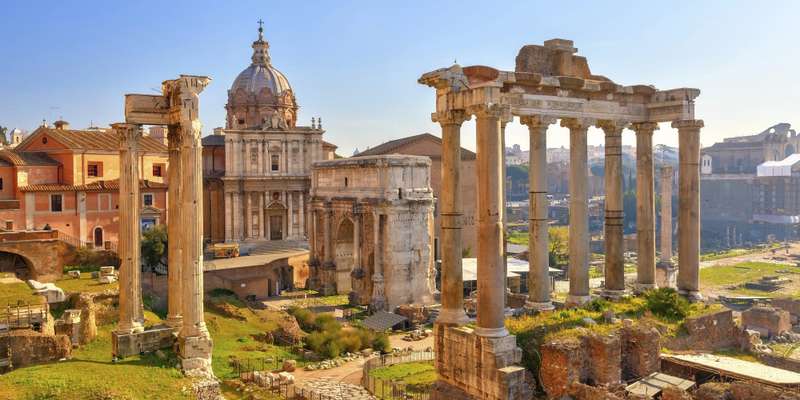
Rome's legendary cobblestone streets and stair-filled landmarks pose real challenges for those with limited mobility, but strategic routing makes all the difference. Start by mapping out districts - the relatively flat Pantheon area is far easier to explore than the steep Capitoline Hill. Many seniors don't realize that Rome's underground metro system has elevators at key stations like Spagna and Barberini, providing relief from the hills. For the Vatican Museums, the rarely-publicized Group Entrance actually has a gently sloping ramp alternative to the main stairs. Local taxi drivers know which drop-off points minimize walking to major sites - the Largo Argentina stop shaves 300 meters off the Pantheon approach compared to standard routes. Midday breaks in lesser-known cloisters like Santa Maria della Pace offer shaded seating just steps from bustling piazzas.
UPDATES FOR YEAR 2026
Current Accessibility Rules and Entry Requirements for Rome Landmarks
Navigating Rome now requires navigating digital-first entry systems and updated security protocols. Most critically, the Colosseum has transitioned to strictly nominative ticketing, meaning seniors must present physical ID that matches the name on their digital pass to enter. The Pantheon now requires a paid entry ticket (€5), with mandatory advance reservations on weekends and public holidays to manage capacity. For those visiting the Vatican area, the completion of the Piazza Pia pedestrian project has significantly improved accessibility, creating a seamless, stair-free path from Castel Sant'Angelo directly to St. Peter’s Square—eliminating the need to navigate heavy traffic on the Via della Conciliazione. Additionally, the Trevi Fountain has implemented a 'flow control' system; while still free to view from the upper level, access to the lower steps is now restricted to limited numbers to prevent overcrowding, making early morning visits (before 9:00 AM) essential for seniors who wish to avoid the physical strain of the dense crowds.
View all Tours
Timing your visits to beat crowds and heat
The difference between a pleasant visit and an exhausting ordeal often comes down to timing. Rome's peak hours (11am-3pm) bring both crowds and scorching temperatures - seniors should target the 'golden hours' right at opening or after 4pm. At the Colosseum, the 8:30am slot has 60% fewer visitors than midday, while the Forum's eastern entrance near Via dei Fori Imperiali is consistently less congested. Many don't know that St. Peter's Basilica offers senior priority access every Wednesday morning during papal audiences. For summer visits, seek out attractions with natural cooling - the Domus Aurea's underground ruins maintain comfortable temperatures even in August. Evening visits to illuminated sites like the Trevi Fountain provide magical experiences without the daytime jostling.
View all Tours
Access-friendly alternatives to major attractions
When iconic sites prove too challenging, Rome offers equally remarkable alternatives with better accessibility. Instead of climbing St. Peter's dome, the panoramic elevator at Vittoriano provides stunning views with minimal effort. The Basilica of San Clemente's underground excavations rival the Catacombs but are fully wheelchair accessible. For ancient Roman history without the Forum's uneven paths, the Museo Nazionale Romano's Palazzo Massimo has extraordinary frescoes and mosaics in a climate-controlled environment. Many senior visitors find the Appian Way's first mile (where the pavement is flattest) delivers the classic Roman countryside experience without the full 10-mile trek. Even dining can be adapted - restaurants like Armando al Pantheon reserve ground-floor tables for mobility-impaired guests upon request.
View all Tours
Specialized services that enhance comfort
Rome's growing senior tourism market has spawned thoughtful services most travelers don't discover until it's too late. Private drivers with wheelchair-adapted vehicles can be arranged for about 20% more than standard taxis, with the added benefit of historical commentary en route. Several boutique hotels near the historic center now offer complimentary mobility scooters - the D.O.M. Hotel keeps two available for guest use. For independent explorers, the Roma Pass includes not just skip-the-line access but also unlimited public transport on accessible buses. Few utilize Rome's 'Call & Ride' minibus service (available by reservation), which delivers door-to-door transport for those with mobility certificates. Even small luxuries matter - advance reservation of airport assistance through ADR ensures seamless transitions from plane to terminal.
View all Tours
FAQ 2026
Do seniors need to pre-book tickets for Rome's major sites in 2026?
Yes, pre-booking is now essential for the Colosseum, Vatican Museums, and the Pantheon (especially on weekends). In 2026, most sites use nominative digital tickets, so ensure you carry a valid passport or ID card to match the name on your reservation for entry.
Is the Trevi Fountain accessible for visitors with limited mobility in 2026?
In 2026, the Trevi Fountain features a managed entry system. While the surrounding square remains accessible, the lower basin area has restricted capacity. For seniors with mobility issues, the view from the street level remains the most comfortable option to avoid the controlled queuing system for the steps.
What is the most accessible way for seniors to reach St. Peter’s Basilica in 2026?
The best route in 2026 is via the newly completed Piazza Pia pedestrian zone. This area provides a flat, vehicle-free walkway from the Tiber river directly to the Vatican, avoiding the curbs and cobblestones that previously made the approach difficult for those using walkers or wheelchairs.
Written by Rome Tours Editorial Team & Licensed Local Experts.
Last updated: 23/02/26
