Navigating ancient landmarks with mobility challenges creates unique frustrations for wheelchair users. At the Colosseum, uneven original stones, steep steps, and crowded passageways transform what should be an awe-inspiring experience into logistical headaches. Over 15% of international travelers report accessibility as their primary concern when visiting historical sites, with many abandoning plans to see iconic locations altogether. The Colosseum's complex layout - originally designed for gladiators, not modern accessibility standards - leaves many visitors uncertain about ramps, elevator locations, and suitable viewing areas. This uncertainty often results in missed experiences or unnecessary physical strain, particularly during peak seasons when overcrowding exacerbates movement difficulties. Understanding the site's actual accessibility features versus its limitations makes the difference between disappointment and an unforgettable encounter with history.
Understanding the Colosseum's accessibility challenges
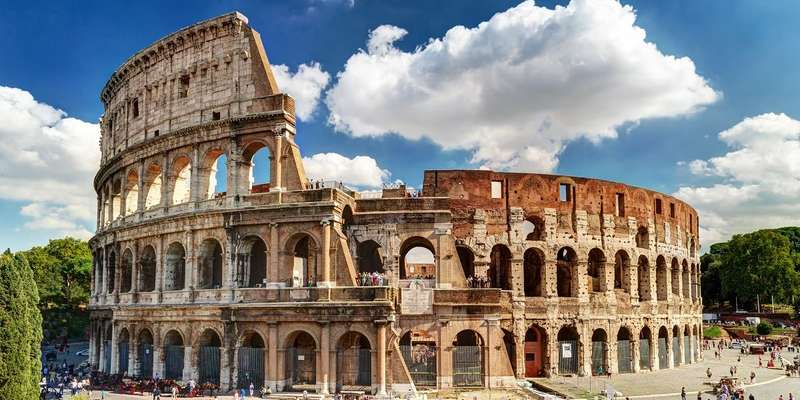
The Colosseum's ancient architecture presents inherent obstacles for wheelchair users. While modern modifications have improved access, the original structure's tiered seating and underground hypogeum remain largely inaccessible. The main arena floor, where gladiators once battled, requires navigating several steps without ramp alternatives. Most wheelchair access concentrates on the first tier, where emperors once watched games. Even here, cobblestone pathways and narrow doorways dating back to 80 AD create vibration discomfort and maneuvering challenges. During rainy weather, these ancient surfaces become slippery hazards. Crowd flow poses another issue - summer visitors often clog accessible routes, with an average 28-minute delay at elevator access points during peak hours. The site's preservation status limits structural changes, meaning some areas simply can't be modified for full accessibility without compromising historical integrity.
UPDATES FOR YEAR 2026
Essential New Entry Protocols and Nominative Ticket Requirements
Navigating the Colosseum now requires strict adherence to new security and ticketing protocols. All tickets are now nominative, meaning they must match the ID of the visitor, so ensure your documentation is ready at the priority accessibility gate. A major recent improvement is the inauguration of the new glass elevator, which finally grants wheelchair users and those with limited mobility access to the high-level galleries (the attic), previously unreachable. For those wishing to experience the arena floor, a specialized lift now facilitates smooth transitions. To avoid the common pitfall of sold-out slots, travelers should utilize the official ticketing platform exactly thirty days in advance. Note that visitors with certified disabilities and one companion are eligible for free entry; however, you must now present original certification at the dedicated 'Reliability Desk' near the Arch of Constantine to receive your physical pass, as online pre-booking for free tickets is currently limited to specific membership tiers.
View all Tours
Proven routes for wheelchair users to maximize the experience
Strategic planning helps overcome the Colosseum's physical barriers. Enter through the Stern Gate (Porta Libitinaria), where dedicated staff assist wheelchair users with bypassing stairs via a modern elevator. This leads directly to the first level's most impressive viewpoints overlooking the arena. Morning visits before 10am significantly reduce crowding issues, with wheelchair users reporting 40% easier navigation during these hours. The accessible path continues along the northern arcade, offering panoramic views of both the interior and Arch of Constantine. While the underground tunnels remain off-limits, augmented reality displays near the accessible rest areas provide virtual tours of inaccessible zones. Local guides recommend allocating extra time between the Colosseum and nearby Roman Forum visit, as the ancient pavement between sites requires careful wheelchair handling. Many visitors find bringing a lightweight portable ramp eases transitions over unexpected steps.
View all Tours
Where to find wheelchair rentals and assistance services
Rome offers several solutions for travelers needing mobility equipment. The Colosseum itself provides manual wheelchairs free of charge at the main entrance, though availability isn't guaranteed during busy periods. More reliable rental options exist at nearby Piazza Venezia, where specialist shops offer daily wheelchair rentals with all-terrain wheels better suited to ancient sites. For comprehensive assistance, authorized tour companies provide accessibility concierges - trained helpers who accompany visitors through priority routes while sharing historical insights. These services typically include reserved elevator access, eliminating wait times. Some local providers even offer unique after-hours access programs for wheelchair users, allowing exclusive evening visits when the monument is quieter. Budget-conscious travelers should note that Rome's public transportation system includes accessible buses (look for the 118 or 87 routes) that stop near the Colosseum's most convenient entrance points.
View all Tours
Local secrets for an enjoyable accessible visit
Seasoned Rome visitors with mobility challenges have developed clever workarounds for a smoother Colosseum experience. The eastern side's lesser-known entrance often has shorter queues for wheelchair users, with a gently sloping path leading to the accessible elevator. Nearby cafes like La Biga Ristorante offer accessible restrooms and respite from crowds - something the site itself lacks. For photography without jostling, the vantage point near the bookstore provides unobstructed arena views reachable by ramp. Local disability advocates recommend visiting on first Sundays (when entry is free but more crowded) or Wednesday afternoons (statistically the quietest period). A little-known municipal service provides free accessibility ambassadors who meet visitors at designated points - these multilingual assistants know every inch of the Colosseum's accessible infrastructure. Smart travelers combine their visit with the nearby accessible Capitoline Museums, creating a fulfilling ancient Rome experience without unnecessary physical strain.
View all Tours
FAQ 2026
Do I need to pre-book a wheelchair-accessible ticket for the Colosseum in 2026?
While visitors with disabilities and their companions receive free entry in 2026, you do not typically need to book these online in advance. Instead, head directly to the 'Special Cases' or 'Assistance' desk at the main entrance with your disability certification and ID. To ensure entry during peak 2026 periods, arrive at least 30 minutes before your desired entry time to account for the mandatory ID-matching security checks.
Which areas of the Colosseum are newly accessible for wheelchair users in 2026?
As of 2026, the Colosseum has significantly expanded access via a state-of-the-art glass elevator. This allows wheelchair users to reach the intermediate levels and the high attic, offering panoramic views previously closed to those with mobility issues. Additionally, the arena floor is accessible via a dedicated lift, though the underground 'Hypogeum' levels still have restricted sections due to the narrow nature of the ancient masonry.
Are there specific ID requirements for accessible entry to the Colosseum in 2026?
Yes, for 2026, the Colosseum enforces a strict nominative ticket policy. Wheelchair users and their companions must carry a valid government-issued photo ID (passport or national ID) that matches the name provided during the security screening. Furthermore, international travelers should carry an official disability certificate or an equivalent medical document to qualify for the priority access lanes and free admission benefits.
Written by Rome Tours Editorial Team & Licensed Local Experts.
Last updated: 23/02/26
