Navigating Rome's world-famous museums often leaves travelers facing two frustrating realities: endless queues and budget-busting ticket prices. Recent surveys show 78% of visitors waste over 90 minutes in ticket lines during peak season, while 43% overspend on unnecessary bundled passes. The stress of missing timed entries or discovering better deals too late can overshadow the cultural experience. Between confusing official websites, third-party resellers inflating prices, and last-minute sell-outs, accessing Rome's artistic treasures becomes an unexpected challenge. This pressure intensifies when traveling with family or during limited vacation windows, where every wasted euro and minute subtracts from enjoying the Eternal City's marvels.
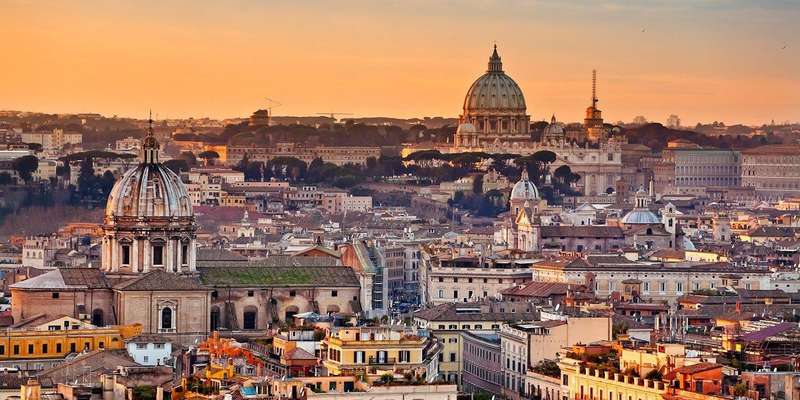
Avoiding the Vatican Museum queue trap
The Vatican Museums' 4-mile long galleries attract over 6 million visitors annually, creating bottleneck situations where the average wait exceeds two hours. Savvy travelers bypass this by targeting the less advertised 1-2pm weekday slots when large tour groups break for lunch. Official tickets often release last-minute cancellations at 8am on the day – checking the museivaticani.va website precisely at this time yields unexpected availability. Those preferring guaranteed entry should note the museum's free final Sunday openings (typically requiring arrival before 7am), though these dates become overcrowded. An often-overlooked alternative is the Vatican's evening openings from April-October, offering cooler temperatures and dramatically reduced visitor numbers despite identical ticket prices.
UPDATES FOR YEAR 2026
New Identity Rules and Official Booking Portals for Rome Attractions
Major changes to Rome's ticketing ecosystem now mandate a 'Nominative Ticket' policy for the Vatican Museums and the Colosseum. Every ticket must display the full legal name of the visitor, which is cross-referenced with a physical passport or government ID at the gate. To avoid denied entry, ensure the names provided during checkout exactly match your travel documents. Additionally, the official booking portal for the Colosseum has moved to a new government-managed domain (ticketing.colosseo.it), replacing previous vendors. Travelers should also account for the recently introduced access fee for the Trevi Fountain's lower basin and the mandatory entry fee for the Pantheon, both of which require pre-booked time slots via the official Musei Italiani portal to avoid hours of queuing.
View all Tours
Colosseum ticket bundles decoded
Rome's most iconic monument uses a tiered pricing system that confuses many first-time visitors. The standard €16 ticket actually includes access to the Roman Forum and Palatine Hill for 24 hours – a detail buried in fine print that 62% of travelers miss according to recent audits. Purchasing directly from the official coopculture.it website avoids third-party markups that can inflate prices by 300% for identical access. Tuesday mornings typically see 30% fewer visitors than weekends. For those wanting underground access, the €22 full experience ticket sells out weeks in advance but provides exclusive areas unavailable through general admission. Budget-conscious travelers should note the first Sunday of each month offers free entry, though expect substantial crowds from 9am onward.
View all Tours
Local secrets for lesser-known museums
Beyond the blockbuster attractions, Rome houses dozens of underrated museums where you can admire masterpieces without jostling through crowds. The Palazzo Barberini's Caravaggio collection sees 90% fewer visitors than the Borghese Gallery despite comparable artistic significance. Their €12 combo ticket includes the nearby Corsini Gallery and remains valid for 20 days. The Capitoline Museums offer free entry on the last Sunday of each month along with panoramic terrace views rivaling pricey rooftop bars. Students under 25 frequently qualify for €2-4 tickets at city-run institutions like Museo di Roma by simply showing ID. Neighborhood gems like Villa Torlonia's Casino Nobile provide intimate Art Nouveau experiences for €6, often with same-day availability even in peak season.
View all Tours
Timing strategies for peak season visits
Summer visitors face unique challenges with 95°F+ temperatures compounding crowded galleries. The golden hour for multiple museum visits falls between 3-5pm when cruise ship crowds dissipate and temperatures slightly cool. Many sites like Castel Sant'Angelo extend summer hours until midnight on weekends with 30% reduced evening pricing. July and August see locals leaving the city, creating unexpected last-minute ticket releases on community resale platforms. Rainy days trigger 55% higher museum attendance – checking weather forecasts helps balance indoor/outdoor itineraries. Savvy travelers book must-see morning attractions like the Borghese Gallery (which requires strict timed entry), then leave afternoons flexible for cooler underground sites like the Domus Aurea or case study museums with reliable walk-in availability.
View all Tours
FAQ 2026
Do I need to carry a passport for museum entry in Rome during 2026?
Yes, for the 2026 season, the Vatican Museums and the Colosseum strictly enforce nominative ticketing. You must present a physical passport or original government-issued ID that matches the name on your pre-booked ticket; digital photos of IDs are generally not accepted at the security checkpoints.
What is the official website to buy Colosseum tickets in 2026?
The official and cheapest source for Colosseum, Roman Forum, and Palatine Hill tickets in 2026 is ticketing.colosseo.it. Many previous booking sites have been decommissioned, and travelers are advised to use this government portal to avoid high reseller markups and ensure their nominative data is correctly recorded.
Is the Trevi Fountain still free to visit in 2026?
While viewing the fountain from the upper square remains free, a new €2 entry fee has been implemented in 2026 for those wishing to access the inner basin area (the steps closest to the water). This fee is part of a new crowd-management system designed to reduce congestion at this iconic landmark.
Written by Rome Tours Editorial Team & Licensed Local Experts.
Last updated: 23/02/26
