Over 10 million first-time visitors descend upon Rome annually, with 43% reporting pre-trip anxiety about navigating the Eternal City's chaotic charm. The overwhelming trifecta of long queues, pickpocket risks, and cultural faux pas transforms what should be awe-inspiring moments into stress-filled ordeals. Morning light glinting off the Trevi Fountain loses its magic when you're jostling through shoulder-to-shoulder crowds, while poorly timed Vatican visits can mean sacrificing half your day in security lines. Locals watch as tourists make avoidable mistakes - paying triple for average meals near major attractions, missing free admission days at world-class museums, or burning energy on impractical cross-city itineraries. These missteps don't just drain wallets; they steal precious moments that could have been spent savoring cappuccino in a sun-dappled piazza or discovering Caravaggio masterpieces in quiet neighborhood churches.
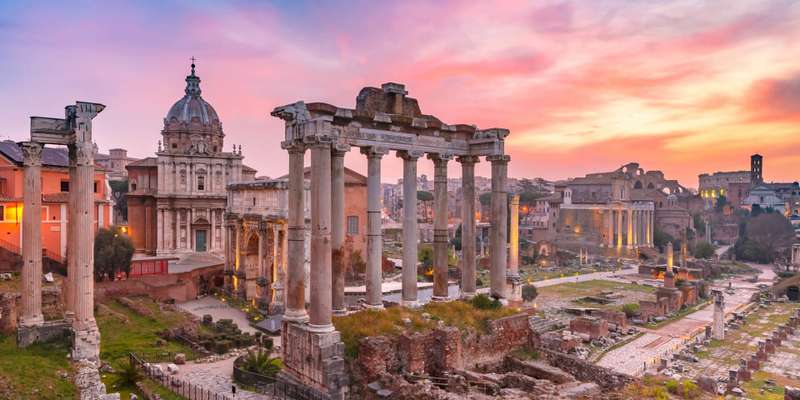
Outsmarting Rome's notorious queues without breaking the bank
The Colosseum's two-hour lines under scorching sun have become a rite of passage nobody actually wants. Savvy travelers leverage the Roma Pass (72-hour version includes two free entries and transit), but few realize its true secret: combo tickets for the Palatine Hill entrance typically have shorter waits than the main Colosseum gates. For Vatican City, Wednesday mornings often see thinner crowds due to the Papal Audience drawing visitors to St. Peter's Square instead. The often-overlooked Lateran Basilica offers equally stunning Renaissance art with fraction of the foot traffic, while the Baths of Caracalla provide monumental ruins without the shoulder-to-shoulder crowds of the Forum. Early birds gain more than just photos without photobombers - arriving at opening time means experiencing the Pantheon's oculus sunlight show in relative solitude.
UPDATES FOR YEAR 2026
New Access Rules: Nominative Ticketing and Mandatory Digital Bookings
Rome has shifted to a strictly digital, identity-verified entry system for its major landmarks. Most notably, Colosseum and Vatican Museum tickets are now nominative, meaning the name on your digital pass must match your passport or ID card—security staff now perform routine checks at the gates. Furthermore, the Pantheon is no longer free; it requires a paid entry fee and mandatory online reservations for weekend visits. Travelers should also note the completion of major Jubilee infrastructure projects, such as the new pedestrian plaza at Piazza Pia, which has significantly altered foot traffic patterns between Castel Sant’Angelo and St. Peter’s Square. To avoid the most common friction point, ensure all major site bookings are secured via official government portals at least 30 days in advance, as third-party resellers are facing increased crackdowns and may not provide valid nominative credentials.
View all Tours
Navigating Rome's neighborhoods like a local, not a lost tourist
Rome's historic center appears walkable on maps, but its winding alleys and sudden dead-ends turn Google Maps into a frustrating puzzle. The key lies in understanding the city's ancient 'rioni' districts - each with distinct personalities and hidden shortcuts. Trastevere's maze of vine-covered lanes becomes navigable when you follow the Tiber River's curve as your north star, while Monti's artisan shops reveal themselves to those who abandon main streets for its stepped side passages. Smart tram usage (the #8 from Largo Argentina to Trastevere saves a 30-minute uphill walk) separates stressed tourists from relaxed explorers. Romans themselves use a simple wayfinding trick: look for 'SPQR' manhole covers pointing toward the historic center. Evening passeggiata (stroll) routes along Via dei Coronari or Via Margutta offer safe, scenic navigation when GPS fails, lined with artisan workshops most tourists rush past.
View all Tours
Authentic dining that won't leave you feeling cheated
The heartbreaking scenario plays out daily near the Pantheon - tourists paying €18 for reheated pasta while incredible family-run trattorias sit half-empty just blocks away. Rome's dining scene operates on subtle cues: look for handwritten menus in Italian (not laminated photo menus), carafes of house wine on tables, and the magical phrase 'cucina romana' rather than 'ristorante turistico'. Testaccio Market remains the holy grail for budget-conscious foodies, where €5 buys legendary trapizzino sandwiches at Mordi e Vai. For dinner, venture beyond the centro storico to neighborhoods like Garbatella, where generations-old spots like Checchino dal 1887 serve cacio e pepe at fair prices. A little-known rule of thumb: restaurants displaying the 'Ospitalità Italiana' plaque have passed rigorous quality checks. Lunchtime is your secret weapon - many top spots offer fixed-price 'menù del giorno' deals unavailable at dinner.
View all Tours
Strategic accommodation choices that enhance your Roman holiday
Choosing the wrong Rome hotel location can mean endless metro transfers or noise-filled nights, with 22% of first-time visitors regretting their lodging choice. The sweet spot lies in 'just outside' zones - near-but-not-in tourist centers. The Aventine Hill offers surprising affordability with panoramic views, while the Prati district near Vatican City provides modern comforts within walking distance of major sites. Budget-conscious travelers should consider convent stays (like Casa Il Rosario) offering spotless rooms at half the price of comparable hotels. An often-overlooked factor: room orientation matters in Rome. North-facing rooms stay cooler during summer heatwaves, while courtyard rooms block the ubiquitous scooter noise. Those willing to commute 15 minutes can find charming B&Bs in Monteverde Vecchio, where €100 buys what would cost €250 near the Spanish Steps, complete with neighborhood espresso bars untouched by tourism.
View all Tours
FAQ 2026
Do I need to book Colosseum tickets in advance for my 2026 trip?
Yes, advanced booking is mandatory. Tickets are now strictly nominative, requiring you to provide the full legal name of each visitor at the time of purchase. Ensure you book via the official 'Parco Colosseo' website exactly 30 days before your visit to secure the standard price and avoid unauthorized resellers.
What are the latest Pantheon entry requirements for 2026?
Entry to the Pantheon now requires a €5 ticket. While you can purchase tickets on-site during weekdays, online reservations through the official Ministry of Culture (MiC) portal are required for weekends and public holidays. It is highly recommended to book digital slots in advance to bypass the lengthy physical payment queues.
How should I handle public transport payments in Rome in 2026?
The most efficient method is 'Tap & Go.' You can use any contactless credit or debit card (or mobile wallet) directly at the metro turnstiles and on buses. This eliminates the need to find a 'Tabacchi' shop for paper tickets and automatically calculates the best fare for multiple trips within a 100-minute window.
Written by Rome Tours Editorial Team & Licensed Local Experts.
Last updated: 23/02/26

