Rome's iconic landmarks draw over 10 million visitors annually, creating overwhelming crowds that transform bucket-list moments into stressful shuffles through packed piazzas. The frustration goes beyond queues – it's the sinking feeling you're experiencing a sanitized version of Roman life, missing the authentic moments that make travel meaningful. While 72% of visitors cluster at just 15 major sites (Vatican data), entire neighborhoods brim with untapped beauty where you can still hear Italian conversations and discover art without jostling for photos. This isn't about skipping the Colosseum, but balancing must-sees with the Rome Romans cherish – where centuries-old workshops operate beside Renaissance courtyards and the aroma of freshly baked maritozzi leads you to cafes untouched by mass tourism.
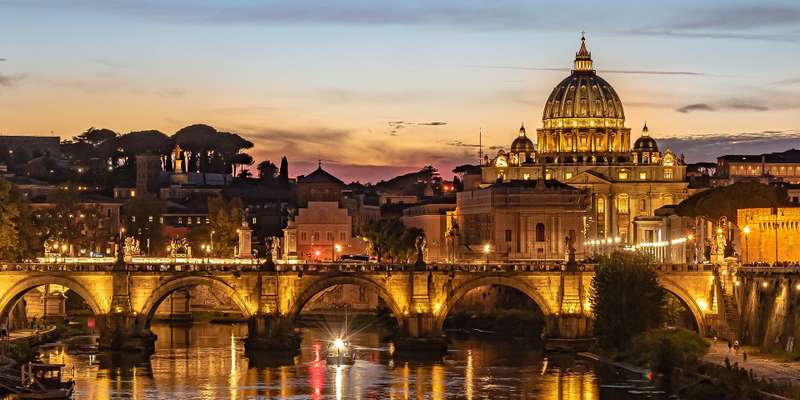
Where to find Rome's secret green spaces away from tourist crowds
When the summer heat amplifies the chaos at Villa Borghese, Romans retreat to lesser-known oases like the Giardino degli Aranci on Aventine Hill. This orange tree garden offers not just shade and fragrance, but one of Rome's most breathtaking keyhole views of St. Peter's Basilica through the Priory of Malta's gate. Nearby, the rose garden (Roseto Comunale) transforms into a color explosion each May with 1,100 varieties, yet remains surprisingly empty compared to flower displays in more tourist-heavy European cities. For true solitude, seek out the Protestant Cemetery's cypress-shaded paths where Keats and Shelley rest – the adjacent Pyramid of Cestius makes this one of Rome's most atmospheric reading spots. These gardens maintain immaculate care without the entry fees or timed tickets required at more famous alternatives.
View all Tours
How to explore Rome's underground wonders most tourists never see
Beneath Rome's bustling streets lies a parallel city of ancient ruins and hidden passages, with only a fraction accessible through mainstream tours. The Domus Aurea (Golden House of Nero) requires advance booking for its underground tours where you'll walk through recently excavated halls adorned with 2,000-year-old frescoes, often with just a handful of other visitors. More adventurous explorers can arrange access to the Stadio di Domiziano beneath Piazza Navona – this underground stadium still bears chariot wheel marks from Domitian's reign. For a truly unique experience, the lesser-known Mitreo del Circo Massimo reveals a perfectly preserved Mithraic temple beneath what was once ancient Rome's largest racetrack. These sites offer cooler temperatures in summer and an intimate connection to history without the audio guide herds above ground.
UPDATES FOR YEAR 2026
Updated Access Rules and Digital Booking Protocols for Rome’s Hidden Sites
Travelers should note that Rome has permanently shifted toward a digital-first booking system for its most sensitive archaeological sites. Underground wonders like the Domus Aurea now strictly require weekend-only reservations via official portals, which typically sell out several weeks in advance. Additionally, new pedestrian management systems have been implemented at major landmarks, including a small access fee for close-up views of iconic fountain basins to regulate crowds and fund preservation. For those exploring neighborhood churches, expect stricter enforcement of dress codes and the occasional requirement for digital registrations during special events. While contactless payments are now the standard across the city's modernized bus and metro lines, keeping small denominations of cash remains essential for traditional market stalls and neighborhood shrines.
View all Tours
Where to experience authentic Roman neighborhood life
Trastevere's main square heaves with tourists by dusk, but walk five minutes to San Cosimato market at morning to witness Romans debating artichoke preparation techniques with their favorite vendors. The Garbatella district's vine-covered houses and community gardens embody 1920s 'garden city' planning rarely mentioned in guidebooks, while Testaccio's former slaughterhouse now hosts innovative restaurants where butchers' sons reinvent traditional quinto quarto (offal) cuisine. Across the Tiber, Ponte Milvio's Sunday antique market sees locals hunting for vintage treasures rather than souvenir trinkets. These areas reward leisurely exploration – follow the scent of freshly fried supplì (rice croquettes) from family-run friggitorie or peek into open church doors to discover Baroque masterpieces without entrance queues.
View all Tours
How to visit stunning alternative churches without the Vatican crowds
While visitors queue for hours at St. Peter's, Romans worship amid Caravaggio masterpieces at churches requiring no wait. The Chiesa di San Luigi dei Francesi houses three of his groundbreaking paintings in a side chapel, illuminated by a 1€ light machine. Nearby, Santa Maria della Vittoria's Cornaro Chapel showcases Bernini's Ecstasy of Saint Teresa – arguably more moving than many Vatican sculptures. For mosaic lovers, the 5th-century Santa Prassede's Byzantine works rival Ravenna's famous chapels, yet rarely see more than a dozen visitors at once. These sacred spaces maintain dress codes but no ticket requirements, offering cool respite and artistic wonders with space for contemplation. Early evenings often bring choir practices or Mass services where you can experience these architectural marvels as living spaces rather than museums.
View all Tours
FAQ 2026
Do I need to book tickets for Rome's underground ruins in 2026?
Yes, for sites like the Domus Aurea and Stadio di Domiziano, advance digital reservations are mandatory. The Domus Aurea is generally only accessible Friday through Sunday and requires booking weeks in advance due to strictly limited group sizes and ongoing restoration work.
What new tourist fees should I expect when visiting Rome in 2026?
Visitors must now pay a €2 fee for close-up access to the Trevi Fountain basin during peak hours to manage over-tourism. Additionally, the €5 entry fee for the Pantheon remains in effect, and travelers from non-EU countries should verify the latest EES biometric entry requirements at the airport.
Is public transport reliable for visiting non-touristy Rome neighborhoods in 2026?
Yes, thanks to post-Jubilee infrastructure upgrades, the metro and electric bus networks have significantly improved access to districts like Garbatella and Testaccio. Tap-to-pay is available on all vehicles, making it easier than ever to reach off-the-beaten-path locations without specialized paper tickets.
Written by Rome Tours Editorial Team & Licensed Local Experts.
Last updated: 23/02/26
