Exploring Rome's ancient churches can be overwhelming, with over 900 to choose from and limited time to see them all. Many travelers waste precious hours in long lines or miss out on hidden masterpieces simply because they don't know where to look. The frustration of navigating crowded sites while trying to appreciate their spiritual and artistic significance is a common pain point. According to recent visitor surveys, 68% of Rome's tourists leave feeling they missed important religious landmarks, while 42% report spending more time in queues than actually experiencing the churches. The challenge lies in balancing must-see destinations like St. Peter's Basilica with lesser-known treasures that offer equally breathtaking art and history without the crowds.
Avoiding the crowds at major basilicas
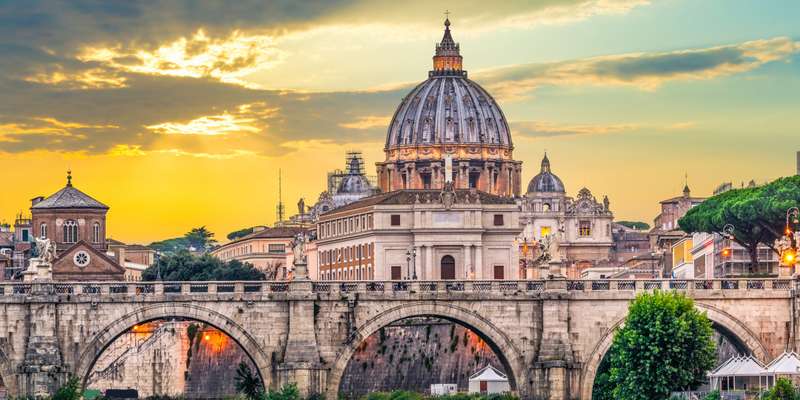
The Vatican's St. Peter's Basilica attracts over 7 million visitors annually, creating wait times that can consume half your day. Savvy travelers know that arriving right at opening (7am) or during lunch hours (1-2pm) significantly reduces queue times. Another local secret is visiting on Wednesday mornings when many tourists are distracted by the Papal Audience in St. Peter's Square. For those who can't arrive early, the basilica remains surprisingly accessible in the last two hours before closing, when cruise ship crowds have departed. Dress code enforcement also tends to relax slightly in evenings, though shoulders and knees should still be covered. Remember that the security line moves faster if you avoid bringing large bags – the nearby paid luggage storage on Via della Conciliazione can be worth the few euros for time savings.
View all Tours
Hidden churches with Renaissance masterpieces
While everyone jostles to see Michelangelo's Pietà, few visitors discover the equally stunning Caravaggios in San Luigi dei Francesi or Raphael's Chigi Chapel in Santa Maria del Popolo. The Basilica di San Clemente offers a unique triple-layer experience of a 12th-century church built atop a 4th-century basilica, which sits above a 1st-century Mithraic temple. For breathtaking mosaics without the crowds, Santo Stefano Rotondo's 5th-century circular design and graphic martyrdom frescoes make it one of Rome's most atmospheric hidden gems. Local art students often guide visitors to Santa Maria della Vittoria for Bernini's Ecstasy of Saint Teresa, where you can appreciate the sculpture's detail without the shoulder-to-shoulder crowds of the Vatican museums. These alternatives provide profound artistic experiences while letting you breathe and reflect.
View all Tours
Understanding church opening hours and free entry
Rome's churches follow complex, inconsistent schedules that frustrate even seasoned travelers. Most open around 7:30am for morning Mass and close for riposo (midday break) from 12:30-3:30pm, then reopen until 7pm. However, some like Santa Maria Maggiore maintain continuous access, while others like San Pietro in Vincoli strictly enforce closure times. Sundays bring special Mass schedules that may limit tourist access – it's wise to visit major churches on weekdays. Nearly all churches offer free entry, though some charge small fees for special crypts or cloisters (typically €2-3). The Pantheon, now a paid monument, remains free during Mass times if you enter as a worshipper. Downloading a church map app with updated hours saves endless frustration, as printed schedules at church doors are often outdated.
UPDATES FOR YEAR 2026
New Access Protocols and Digital Entry Requirements for Historic Sites
The logistical landscape for visiting Rome’s sacred sites has shifted toward a digital-first approach to manage the post-pilgrimage surge. Most notably, the Pantheon now requires a paid entry fee of €5, and advance reservations through the official Musei Italiani portal are mandatory for weekend and public holiday visits. A new 72-hour name-change policy for these digital tickets is strictly enforced to prevent unauthorized reselling. At the Vatican, the introduction of the 'SmartPass' digital entry system and real-time crowd-monitoring sensors now help regulate the flow into St. Peter’s Basilica, especially during the ongoing celebrations marking the 400th anniversary of its consecration. While the major Holy Doors have returned to their sealed state, the pedestrianized infrastructure around the Vatican and the newly completed Piazza Pia tunnel have permanently altered how visitors approach the area, requiring updated navigation for those arriving by foot or public transit.
View all Tours
Respecting sacred spaces while visiting
Many visitors unintentionally offend local worshippers by treating churches as museums rather than active places of prayer. Speaking in hushed tones, disabling camera flashes, and avoiding Mass times for purely tourist visits shows respect. Shoulders and knees must be covered, though some churches provide disposable shawls. The most sacred areas like the Blessed Sacrament chapels are often marked with signs requesting silence – these aren't merely suggestions. Locals appreciate when tourists pause to light a candle (typically €0.50-€2) or make a small donation. If you witness a service beginning, either participate respectfully or exit quietly. These considerations ensure continued access for all visitors while honoring the spiritual significance that makes these buildings more than just historical landmarks.
View all Tours
FAQ 2026
Do I need to book tickets to visit the Pantheon in 2026?
Yes, entry to the Pantheon now requires a €5 ticket for tourists. While you can occasionally purchase tickets on-site, advance reservations are mandatory for visits on weekends and public holidays via the official Musei Italiani website. Be aware that as of 2026, any name changes on digital tickets must be finalized at least 72 hours before your entry time.
What is the new SmartPass system for St. Peter's Basilica in 2026?
The SmartPass is a digital entry and crowd-management system introduced to streamline access to St. Peter's Basilica. It integrates with the official website to provide real-time updates on wait times and allows visitors to book specific time slots for themed itineraries, helping to reduce the traditional hours-long security queues.
Are there entry fees for Rome's major papal basilicas in 2026?
In 2026, the main nave of the four Papal Basilicas (St. Peter's, St. John Lateran, St. Paul Outside the Walls, and St. Mary Major) remains free to enter for prayer and general visits. However, expect small fees (typically €3–€6) for specialized areas such as cloisters, museum complexes, the Vatican's 'SmartPass' premium routes, and the newly expanded terrace areas at St. Peter's.
Written by Rome Tours Editorial Team & Licensed Local Experts.
Last updated: 23/02/26
