Rome's ancient charm comes with modern challenges for senior travelers. Uneven cobblestones, crowded attractions, and long museum lines can turn a dream trip into an exhausting ordeal. Over 60% of seniors report cutting visits short due to accessibility issues, while 45% miss key landmarks from poor pacing. The frustration of navigating Rome's hills and queues often overshadows the joy of discovering its treasures. Yet with thoughtful planning, the Eternal City can be just as rewarding for mature visitors as for backpackers. Local insights transform overwhelming piazzas into manageable experiences, turning potential stress into la dolce vita.
Navigating Rome's terrain without exhaustion
Rome's legendary seven hills pose real challenges for those with mobility concerns. The key lies in strategic route planning that pairs major sights with senior-friendly transit options. Start by grouping attractions by elevation – the Pantheon area sits relatively flat, while Trastevere's charm comes with steep alleys. Opt for morning visits to the Vatican when cooler temperatures and fewer crowds prevail. Many don't realize Rome's extensive bus network offers €1.50 rides with priority seating, often more practical than metros with endless stairs. For longer distances, licensed white taxis provide door-to-door service at regulated fares – have your hotel concierge write destinations in Italian to avoid confusion. Smart pacing means enjoying the Trevi Fountain's magic without needing to recover afterwards.
UPDATES FOR YEAR 2026
Latest Access Rules and Transit Upgrades for Mature Travelers
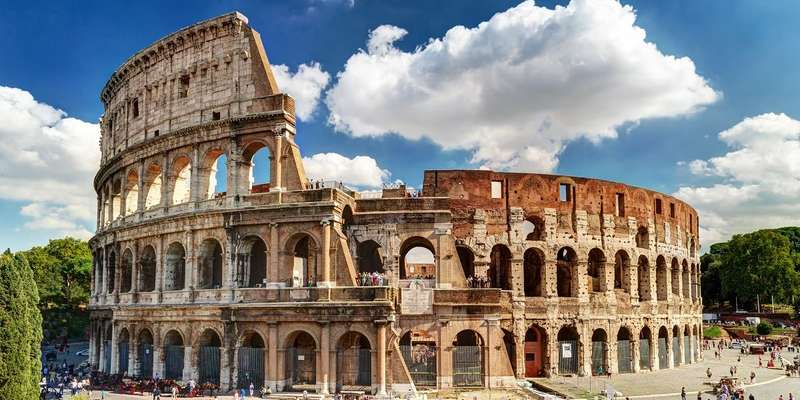
Significant logistical updates have recently streamlined the visitor experience in the city center. The most notable change is at the Trevi Fountain, where a nominal €2 fee and a 400-person capacity limit are now enforced for close-up access to the fountain’s basin (the 'catino'), while viewing from the upper piazza remains free. For those with mobility concerns, the completion of the Metro C extension at the Colosseum and renovated stations along Line A provide much-needed elevator access and fewer construction barriers. Be aware that strict nominative ticketing is now the standard at the Colosseum and Pantheon; your ticket must match the name on your physical ID or passport to ensure entry, as staff perform regular checks at the gates.
View all Tours
Senior-friendly tours that prioritize comfort
Standard group tours often move too quickly for mature travelers, but Rome offers excellent alternatives tailored to different mobility levels. Private guides can adjust itineraries on the fly, incorporating strategic bench stops at beautiful piazzas. The Vatican Museums now provide elevator access and reserved seating areas if booked in advance. Consider specialized operators offering golf cart tours – these open-air vehicles access pedestrian zones while sparing your joints. Evening walking tours with headsets allow you to enjoy the city's golden hour glow without straining to hear over crowds. Many seniors find small-group food tours ideal, combining seated tastings with cultural insights at a leisurely pace.
View all Tours
Choosing the right neighborhood to stay
Location choice dramatically impacts your Rome experience as a senior visitor. The Monti district offers proximity to the Colosseum with relatively flat streets and authentic neighborhood charm. Prati near the Vatican provides wide sidewalks, modern elevators in buildings, and excellent metro access. Avoid the picturesque but exhausting Trastevere hills if mobility is a concern. Look for hotels with ground-floor rooms or reliable elevators – many historic properties advertise this specifically. A central location near a taxi stand often proves wiser than saving money on outskirts accommodations. Waking up rested near your first attraction sets the tone for an enjoyable day rather than starting exhausted from transit.
View all Tours
Free resources and senior discounts you shouldn't miss
Rome rewards senior travelers with often-overlooked perks that make visits both easier and more affordable. EU citizens over 65 enjoy free entry to state museums including the Colosseum and Roman Forum – simply present ID at ticket offices. Non-EU visitors still qualify for reduced rates. Download the free Roma Pass app for real-time elevator status updates at major sites. Many churches like Santa Maria Maggiore provide free mobility scooters. Time your visit for the first Sunday of the month when all public museums waive fees. Local pharmacies offer complimentary blood pressure checks – a welcome service after indulging in Roman cuisine. These small advantages add up to significant savings and comfort.
View all Tours
FAQ 2026
Is there an entry fee for the Trevi Fountain in 2026?
Yes, as of February 2026, a €2 entry fee is required to access the lower basin area of the Trevi Fountain for close-up views and coin tossing. However, viewing the fountain from the surrounding piazza remains free and open to the public.
What are the 2026 rules for Colosseum tickets for seniors?
In 2026, all Colosseum tickets are strictly nominative and non-transferable. You must provide your full legal name at the time of booking and present a matching physical ID or passport at the entrance. Additionally, the new Metro C station at the Colosseum is now fully operational with elevator access, making the site much easier to reach.
Will the Pantheon require pre-booked tickets in 2026?
Yes, the Pantheon continues to require timed-entry tickets in 2026. Note that as of March 2026, any required name changes on digital tickets must be finalized at least 72 hours before your scheduled visit to remain valid for entry.
Written by Rome Tours Editorial Team & Licensed Local Experts.
Last updated: 24/02/26

