Finding the perfect place to stay in Rome can feel overwhelming, especially when you want to be close to iconic sites like the Colosseum, Vatican City, and Trevi Fountain. Over 70% of first-time visitors regret their accommodation choice, often ending up either too far from attractions or paying premium prices for underwhelming rooms. The maze of historic neighborhoods each offer different advantages, but without local knowledge, you might waste precious vacation time on long metro rides or miss hidden gems just steps from your hotel. Morning queues at major sites grow exponentially, and those extra 30 minutes of sleep become priceless when your hotel is conveniently located.
Why location matters more than star ratings in Rome
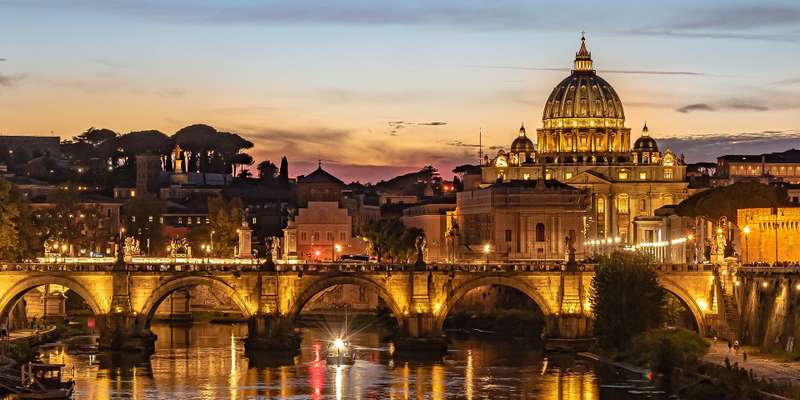
Rome's historic center might surprise you with its variety of accommodations, where a 3-star family-run pensione often provides better access and authentic charm than a chain hotel on the outskirts. The key is understanding Rome's 'centro storico' layout – an area roughly bounded by Piazza del Popolo, Piazza Venezia, and the Tiber River. Staying here means the Pantheon becomes your neighborhood landmark rather than a scheduled stop. Many travelers don't realize that certain alleys near Campo de' Fiori offer quiet nights despite being minutes from major sites, while areas near Termini Station, though central, lack the same romantic atmosphere. Local regulations limit traffic in the historic zone, making these streets surprisingly peaceful after evening passeggiata hours.
View all Tours
Trastevere vs Monti – decoding Rome's most walkable districts
Two neighborhoods consistently top local recommendations for their perfect balance of accessibility and character. Trastevere, across the Tiber, charms with its ivy-draped lanes and vibrant nightlife, placing you between Vatican City and the historic center. Morning walks to St. Peter's Basilica become delightful strolls rather than commutes. Meanwhile, Monti near the Colosseum blends ancient Roman vibes with hip boutiques, offering sunset views over the Forum from your hotel window. Surprisingly, these areas often have better value than accommodations directly on major piazzas. The secret lies in their side streets – Via Urbana in Monti or Vicolo del Bologna in Trastevere host charming guesthouses where you'll hear church bells rather than tourist crowds.
View all Tours
Timing tricks for securing prime locations affordably
Rome's hotel pricing follows unpredictable patterns that savvy travelers can exploit. Unlike beach resorts, the city sees demand spikes during papal audiences and mid-week when cruise passengers flood the center. Booking exactly 90 days out often yields better rates than last-minute deals, as smaller hotels adjust prices based on conventioneer bookings. Many don't know that some convents and monasteries near the Pantheon offer simple but spotless rooms at half the price of nearby hotels, with the added benefit of tranquil courtyards. Another local secret: apartments in 16th-century palazzos frequently rent for less than hotel rooms during summer, when Romans flee the city heat.
View all Tours
Transport hacks when you can't stay center
If your budget requires staying slightly further out, strategic location choices can minimize inconvenience. The Prati district near Vatican City offers excellent metro access without the tourist markups, while Parioli provides a residential feel with quick bus routes to the Spanish Steps. Key insight: hotels near tram line 8 or metro B stops like Piramide connect you to the Colosseum in 12 minutes. Night buses (notturni) run until 5am, making even accommodations near Villa Borghese viable for evening explorers. Always verify walking times to public transport – some hotels claim to be 'near metro stops' when in reality require crossing busy intersections or poorly lit areas at night.
UPDATES FOR YEAR 2026
Essential Access Updates: Managing Entry Fees and Transport Changes
Navigating the capital now requires awareness of recent changes to its most iconic landmarks. A mandatory €2 entry fee is in effect for close-up access to the Trevi Fountain's basin area during peak hours (9:00 AM to 10:00 PM), designed to manage congestion and enhance the visitor experience. Furthermore, several previously free civic museums, such as the Napoleonic Museum and Villa of Maxentius, now require a small entry fee for non-residents. Logistically, the Colosseum has implemented a strict nominative ticket system; every reservation must be tied to a specific name that matches a physical passport or government ID for entry. On the transport front, the long-awaited Metro C interchange at the Colosseum is now operational, featuring 'museum-style' stations that showcase archaeological finds unearthed during construction, making it easier than ever to transit between the eastern districts and the historic center.
View all Tours
FAQ 2026
Do I need to pay a fee to see the Trevi Fountain in 2026?
Yes, while viewing the fountain from the piazza remains free, a €2 entry fee applies if you wish to enter the inner 'basin' area closest to the water for the traditional coin toss or close-up photos.
What are the Colosseum's nominative ticket rules for travelers in 2026?
All tickets are now personal and non-transferable. You must provide the full legal name of each visitor at the time of booking, and this must exactly match the original photo ID presented at the entrance.
How has public transport changed for Rome visitors in 2026?
The opening of the Colosseo-Fori Imperiali and Porta Metronia stations on Metro Line C now provides a direct underground interchange with Metro Line B at the Colosseum, significantly reducing travel times between ancient sites.
Written by Rome Tours Editorial Team & Licensed Local Experts.
Last updated: 23/02/26

